Affordable rent: concrete responses, limited scale
Lisbon and Seixal offered 37 homes in recent affordable rental competitions.
Lisbon opened an extraordinary competition for 25 homes intended for young people aged up to 35. In Seixal, 24 validated applications took part in the draw for 12 municipal properties.

Two competitions, 37 homes
In the summer of 2026, Lisbon opened an extraordinary competition under the Affordable Rent Programme to allocate 25 homes, ranging from studios to three-bedroom properties. The initiative, called “Back to the Neighbourhood”, set specific requirements for young people aged up to 35. The homes were financed through municipal funds, the 1.º Direito Programme or the Recovery and Resilience Plan. (informacao.lisboa.pt)
In Seixal, the Affordable Rent Programme placed 12 residential properties into a draw. The public draw took place on 28 August, after 24 applications had been validated. The municipality had accepted applications between 20 July and 18 August. (cm-seixal.pt)
The two schemes do not have the same administrative structure, but they illustrate a common issue: municipal programmes can produce responses directly related to household incomes and circumstances, although the quantity available remains limited in relation to metropolitan demand.
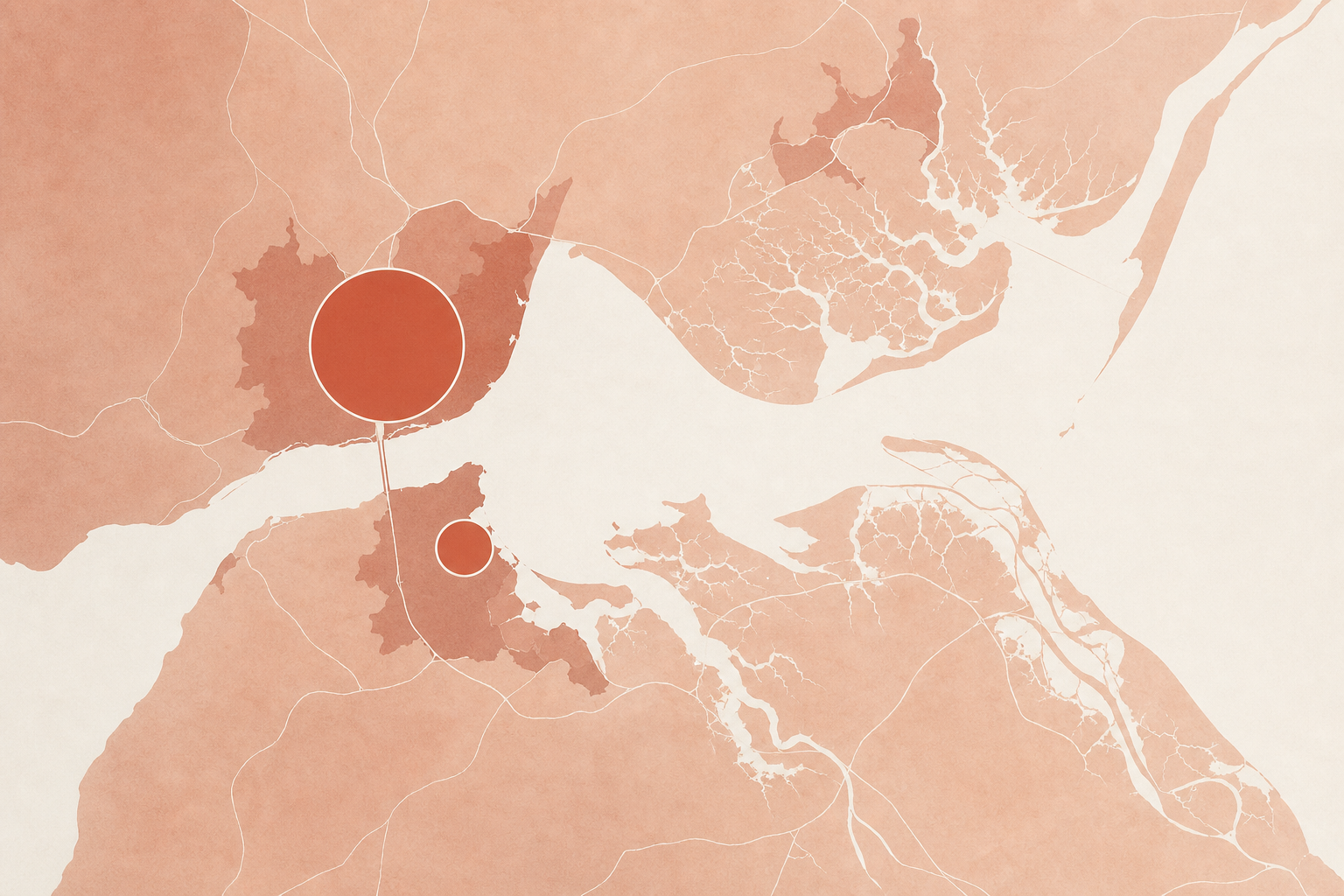
Scale is also territorial
In Lisbon, reserving homes for young people seeks to address the departure of residents from the neighbourhoods where they grew up or where they retain family and professional networks. Access depends not only on the availability of a below-market rent. It also depends on location, contractual stability and the ability to maintain daily routines without increasing transport costs.
In Seixal, affordable rental provision forms part of residential demand shaped by links with Lisbon and movement within the South Bank itself. The availability of 12 properties is significant for the selected households, but it also highlights the gap between each competition and the scale of need. The existence of two validated applications for each home does not represent all potential demand, because the eligibility requirements and application periods limit the participating group.
Public provision can grow through municipal construction, acquisition, refurbishment or the mobilisation of properties belonging to other entities. Each approach has different timescales and costs. Construction permanently increases the housing stock, but requires land, design and building work. Acquisition may be faster, although it depends on market prices. Refurbishment recovers existing assets, but involves greater technical uncertainty.
Rules and continuity
In 2026, Lisbon also began a procedure to amend the Municipal Right to Housing Regulation, seeking to update the instrument in line with current needs and the framework of municipal policies. Revising the rules is important because access criteria, priorities, documentation and allocation mechanisms determine who is able to participate in the programmes. (informacao.lisboa.pt)
The effectiveness of affordable renting will be measured by continuity, not merely by isolated competitions. Regular supply allows families to plan, reduces the concentration of applications and improves transparency regarding available housing stock. The metropolitan scale also requires coordination between municipalities, transport and employment. Lisbon and Seixal demonstrate two local responses; the next challenge is to turn them into a stable network of housing alternatives.