The housing shortage is also an execution problem
Supply does not increase through announcements
Portugal is building below the level the sector estimates is needed. Between land and a completed home lie decisions, permits, financing, productive capacity and time.

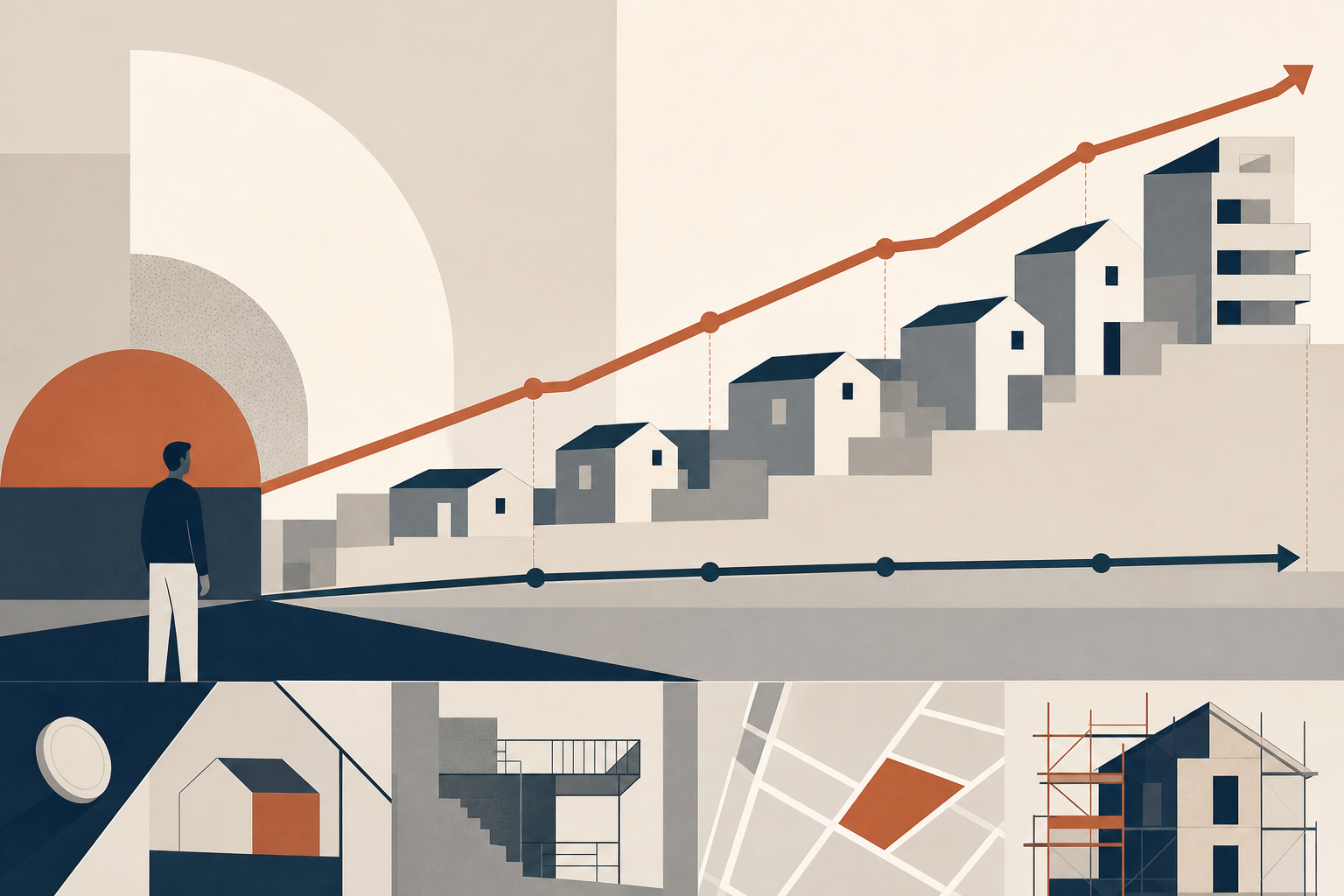
Portugal should be building around 60,000 homes a year and is currently producing approximately 40,000, according to the assessment presented by the president of AICCOPN in an interview broadcast by RTP. The difference helps explain why price increases persist even when financing becomes more demanding.
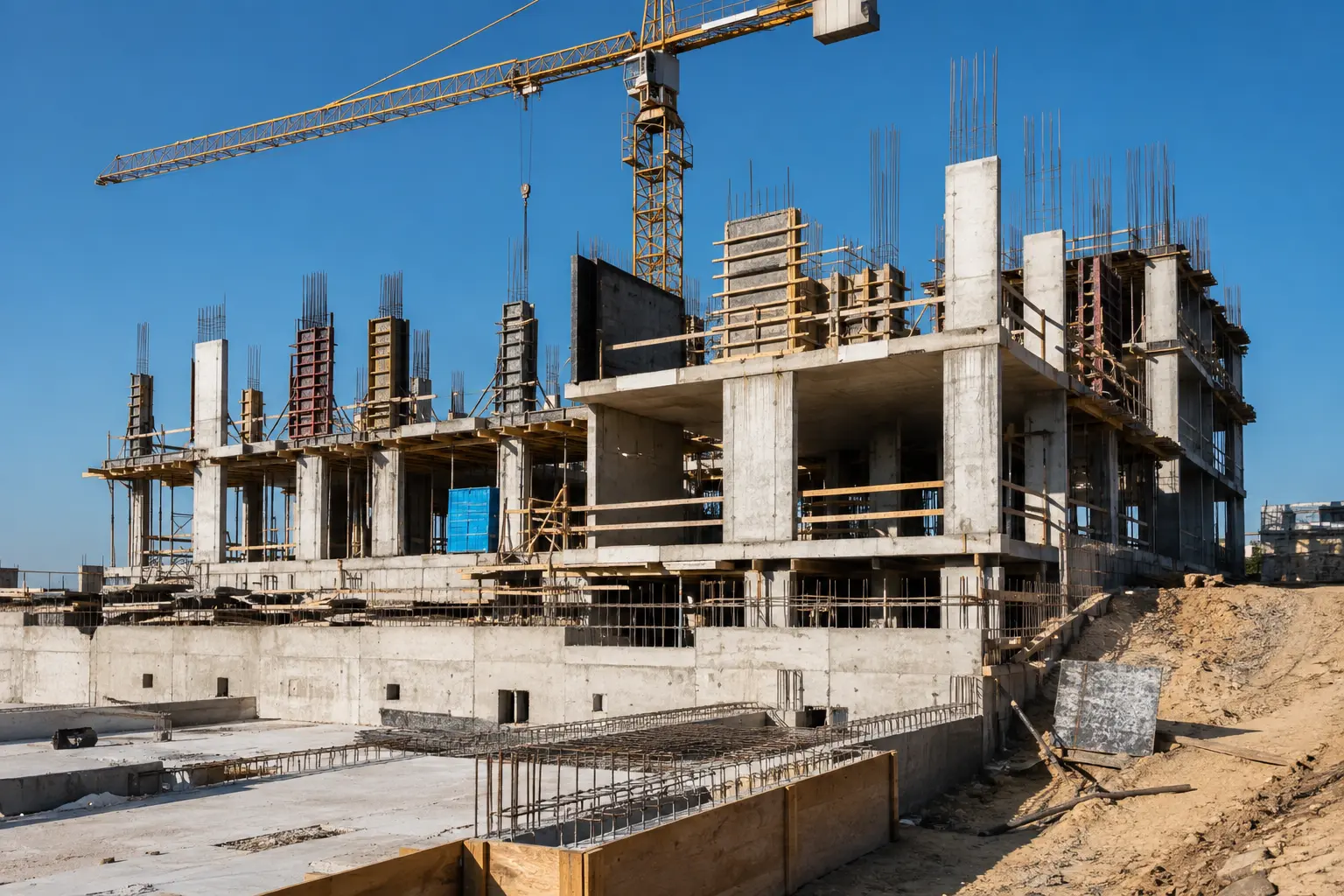
Scarcity is not resolved merely by an intention to build. Each new home depends on a long sequence: land availability, planning framework, design, licensing, financing, procurement, materials, labour, construction and sales. A blockage at any one of these stages delays all those that follow.
For this reason, measuring the housing response only by the number of measures announced is insufficient. The decisive indicator is the number of homes completed, in locations where demand exists and at prices compatible with household income.
Construction also needs predictability. Tax changes without completed regulations, uncertain administrative deadlines or late decisions increase risk and feed into the final cost. The longer and less predictable the process, the greater the margin required to make a project viable.
Increasing supply requires simplification without reducing rigour: clear rules, timely decisions, coordinated designs and the capacity to deliver. Housing becomes accessible when the entire system can transform land and investment into completed homes.