Refurbishment sustains work but loses its project pipeline
Order books are growing, but permits for work on existing buildings continue to decline.
Urban refurbishment activity increased by only 0.8% in July. In the first half of 2026, 2,960 refurbishment projects were licensed, 12.5% fewer than in the corresponding period.

Positive activity, limited growth
Urban refurbishment indicators remained positive in July 2026, but slowed significantly. The activity level index grew by 0.8% compared with the same month a year earlier, while the order book increased by 6.9%. On average, companies reported 8.7 months of contracted production, slightly below the nine months recorded a year earlier. (reportugal.vidaimobiliaria.com)
Having secured orders provides companies with some stability. The more fragile figure appears upstream. In the first half of the year, 2,960 refurbishment projects were licensed, 12.5% fewer than in the same period of 2025. The reduction was 10.8% for residential buildings and 15.2% for non-residential buildings. (reportugal.vidaimobiliaria.com)
Permit statistics do not cover every intervention because certain works may not be subject to the same type of prior municipal control. Even so, the trend suggests a slower inflow of new formal projects at a time when much of the building stock requires functional, energy-efficiency and structural upgrades.
Refurbishment means creating supply from existing buildings
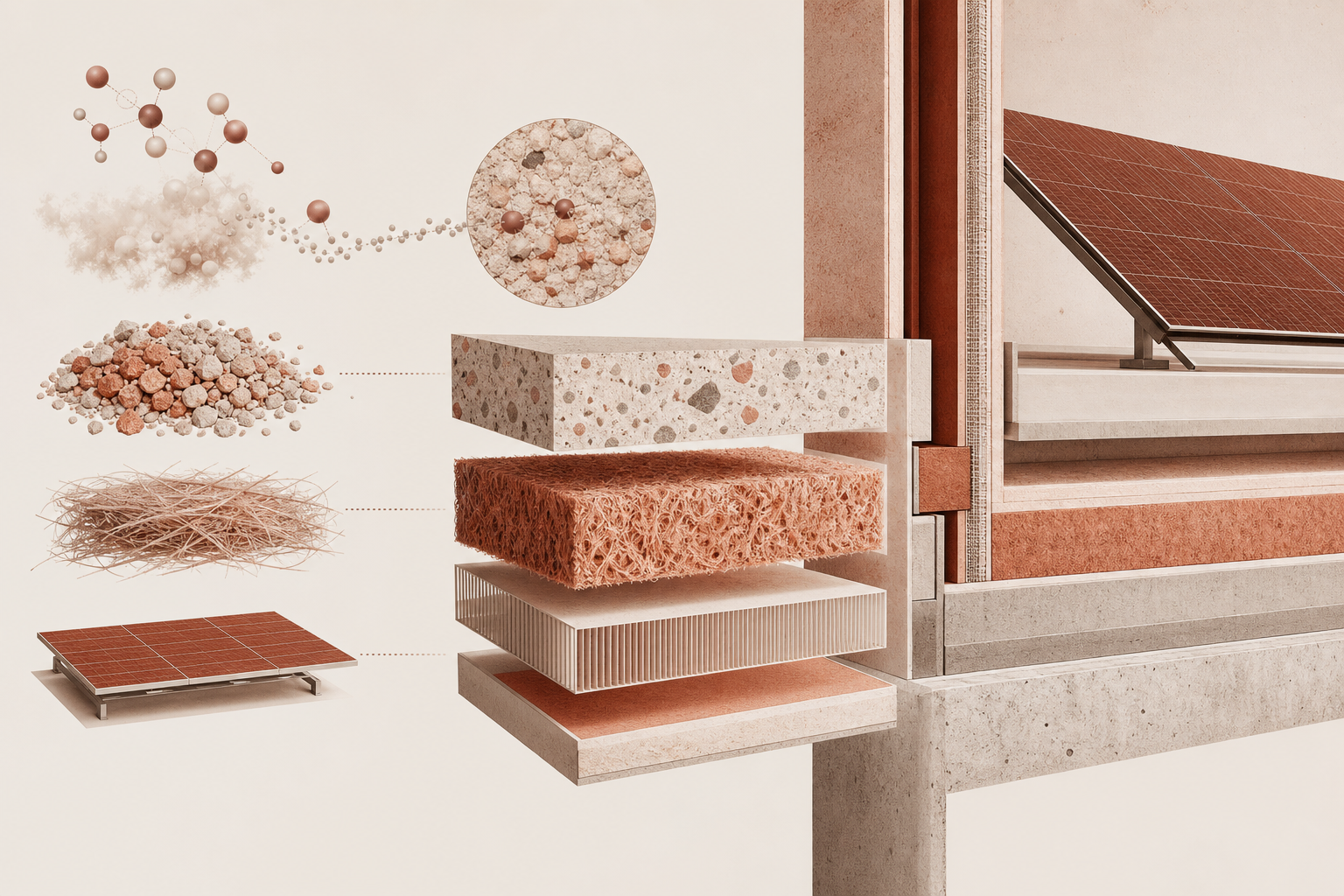
Refurbishment does not entirely replace new construction, but it makes it possible to recover vacant buildings, adapt housing types and extend the useful life of existing structures and embodied materials. In established urban centres, it is also one of the few ways to increase residential use without consuming new land.
The process does, however, involve specific uncertainties. The actual condition of a building may become apparent only during the work. Heritage, accessibility, fire safety, acoustics and thermal performance require complex coordination. When material and labour costs are rising, this uncertainty makes it more difficult to finalise budgets and secure financing.
The reduction in permits may also reflect owners postponing decisions, investors reassessing viability or longer municipal processes. Each cause requires a different response. Simplifying procedures is no substitute for design and inspection; encouraging investment does not remove the need for quality standards; conserving heritage does not mean preventing adaptation to new uses.
Avoiding a future decline
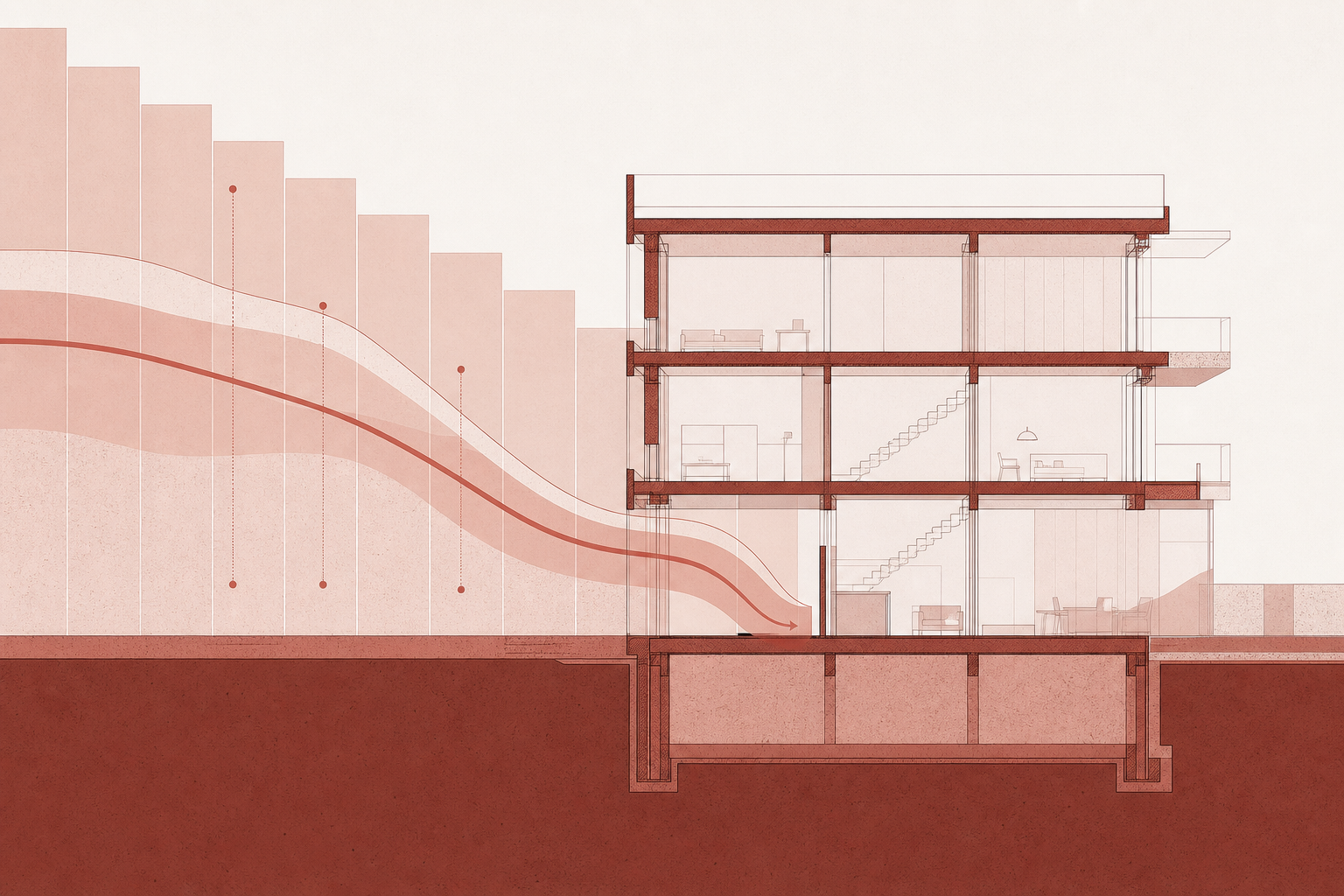
The difference between the current order book and recent permit levels warrants monitoring. Companies may sustain activity through contracts already signed while the number of projects feeding the following months declines. If the trend persists, the slowdown may become more visible after current work is completed.
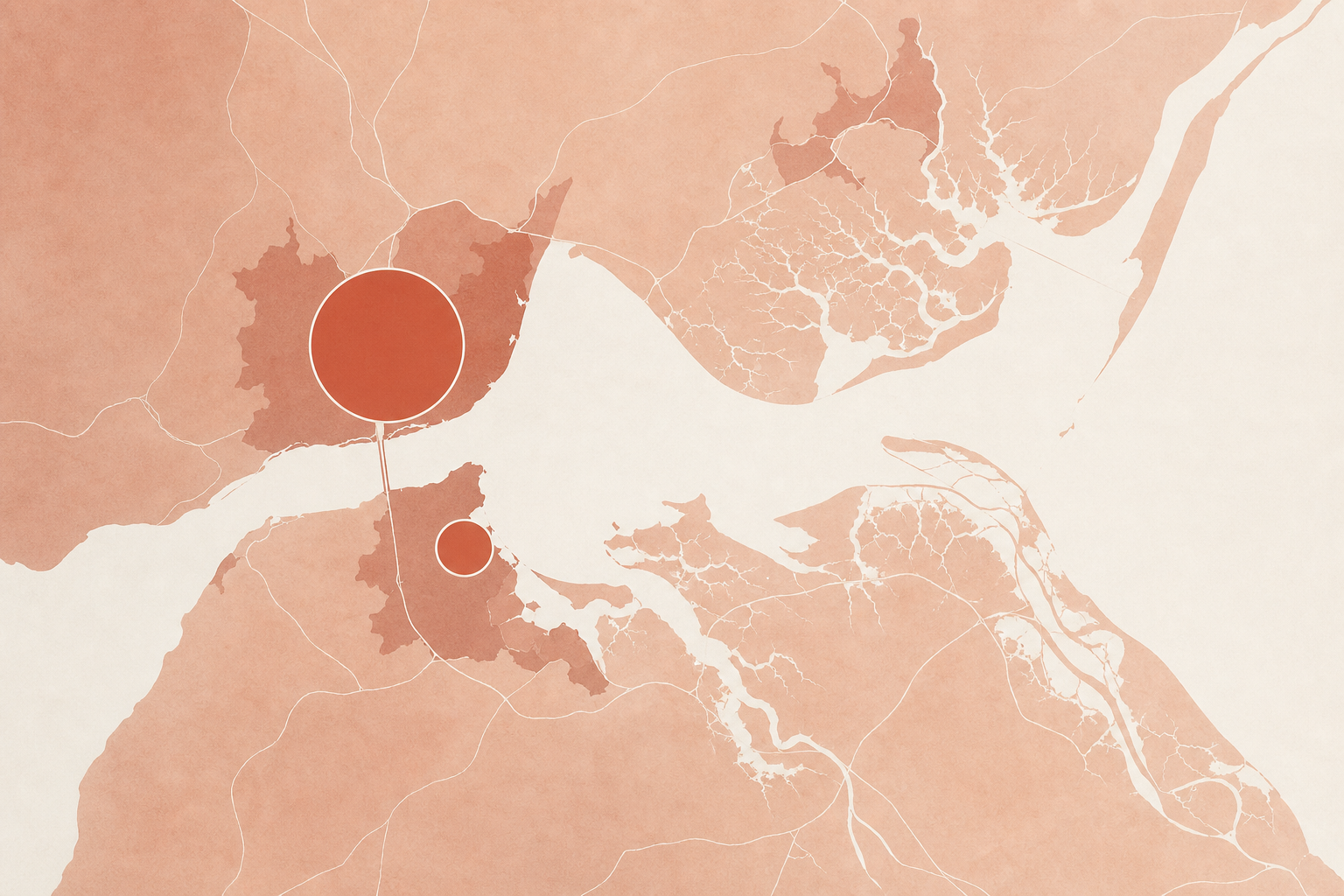
For Lisbon and the urban centres of the South Bank and the Tagus Valley, refurbishment remains a policy for housing, the environment and urban quality. Its importance should not be measured solely by the volume of work. Each restored building can bring use back to a street, reduce consumption, preserve resources and prevent unnecessary expansion. The challenge is to create sufficient predictability for this work to take place without reducing technical standards.
Sources consulted
Instituto Nacional de Estatística (INE) · Vida Imobiliária · AICCOPN