Housing has moved beyond reach three times faster than wages
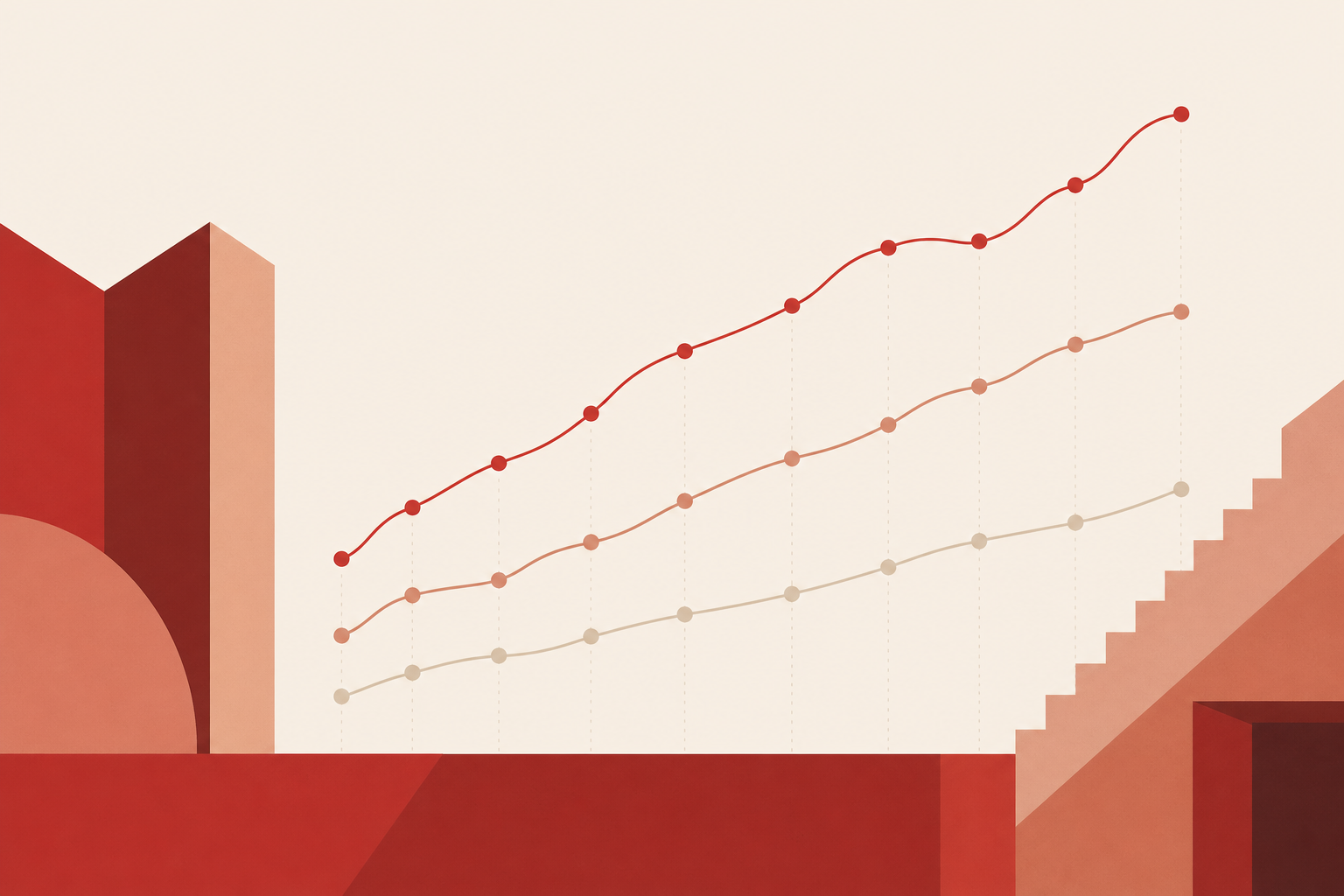
In the second quarter of 2026, housing prices rose by 16.5% over the year, while average wages increased by 5.1%. The gap changes access, even when credit remains available.
The gap between housing prices and incomes has widened again. The problem is no longer limited to the price per square metre: it involves the deposit, mortgage payments, location and time.
Category: Property and Housing
In the second quarter of 2026, housing prices rose by 16.5% over the year, while average wages increased by 5.1%. The gap changes access, even when credit remains available.
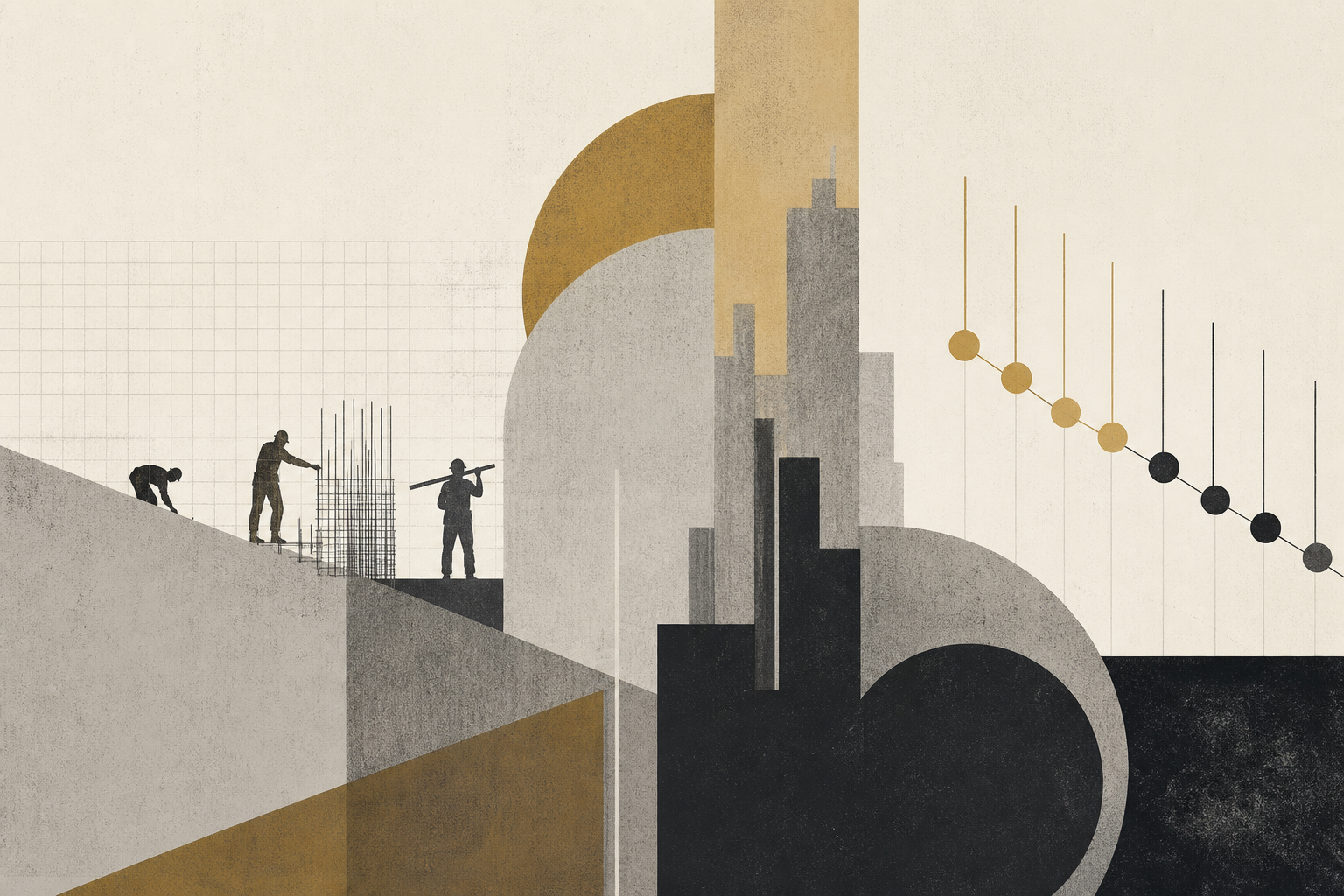
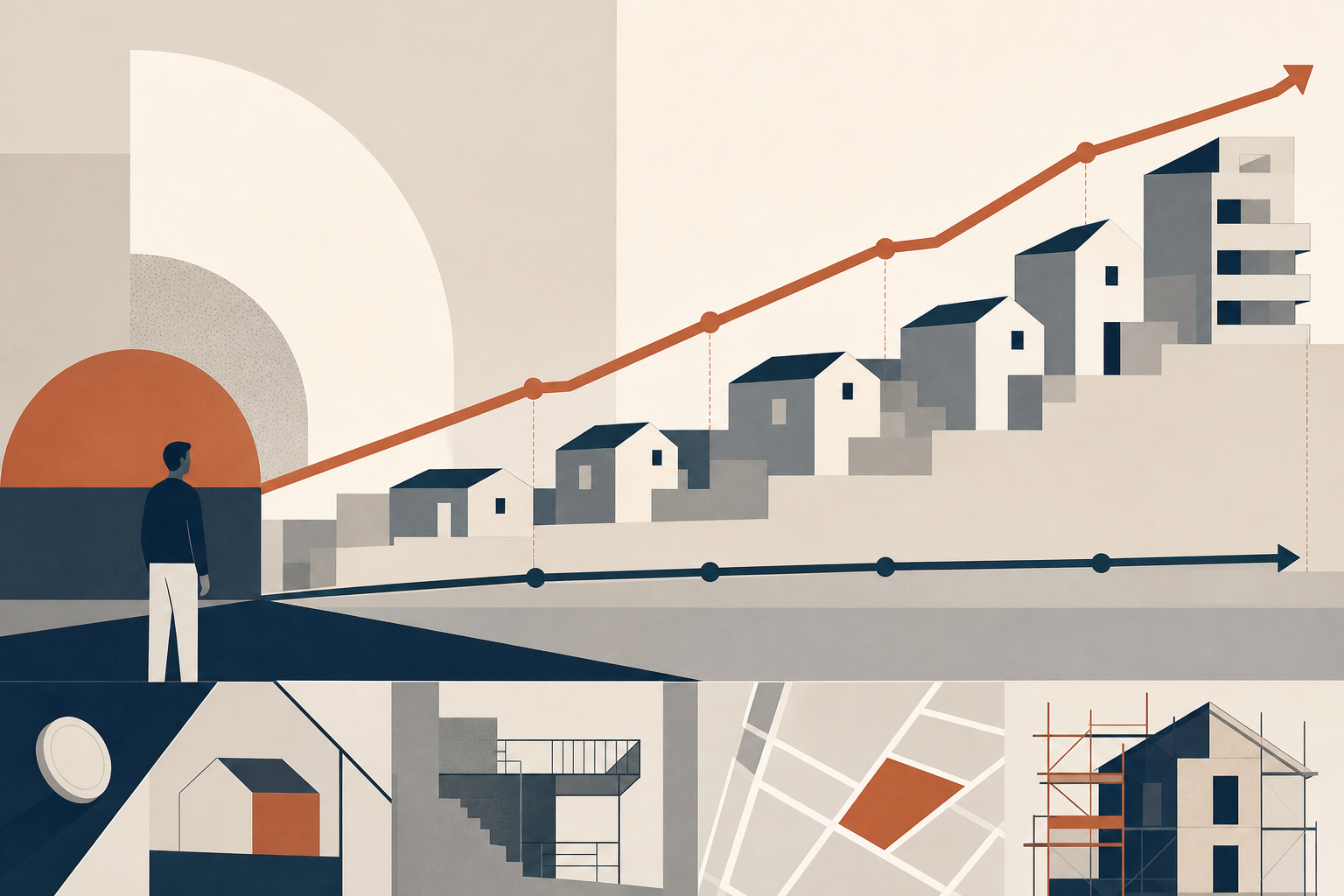
In the second quarter of 2026, the year-on-year rise in housing prices reached 16.5%, while average wages grew by 5.1%. The comparison does not in itself measure the financial burden on each household, but it shows the direction of the imbalance. When the asset rises three times faster than income, purchasing power loses ground even if employment and credit remain stable.
The accumulated gap is more striking over the longer term. Data released in September point to a 182% increase in housing values over a decade, compared with 48% for wages. These figures come from series using different methodologies and should not be confused with changes in each family’s disposable income. Even so, they help explain why demand is shifting towards peripheral areas, smaller property types and arrangements requiring longer mortgage terms.
Price is only the first barrier. The deposit continues to exclude households with enough monthly income to meet mortgage payments but without accumulated savings. Interest rates, insurance, taxes and service charges affect the decision after purchase. Location may reduce the purchase price while increasing daily transport costs. An apparently cheaper home may therefore place greater demands on the household budget.
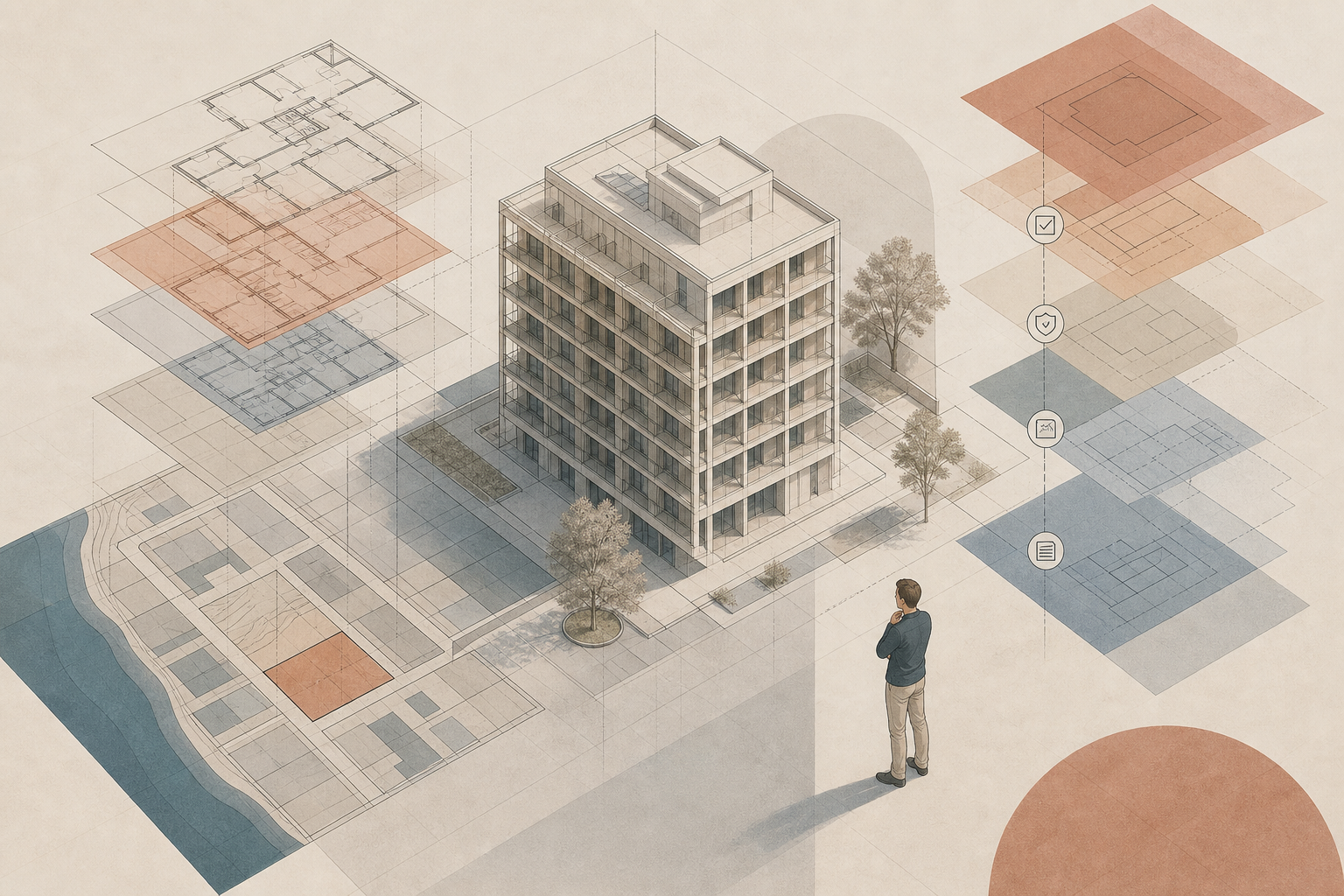
The market response does not depend solely on increasing the number of listings. Serviced land, approved projects and construction capacity must be converted into completed housing. Supply must also match the property types, locations and price levels that incomes can support. Producing more without controlling costs, timescales and quality may increase volume without improving affordability.
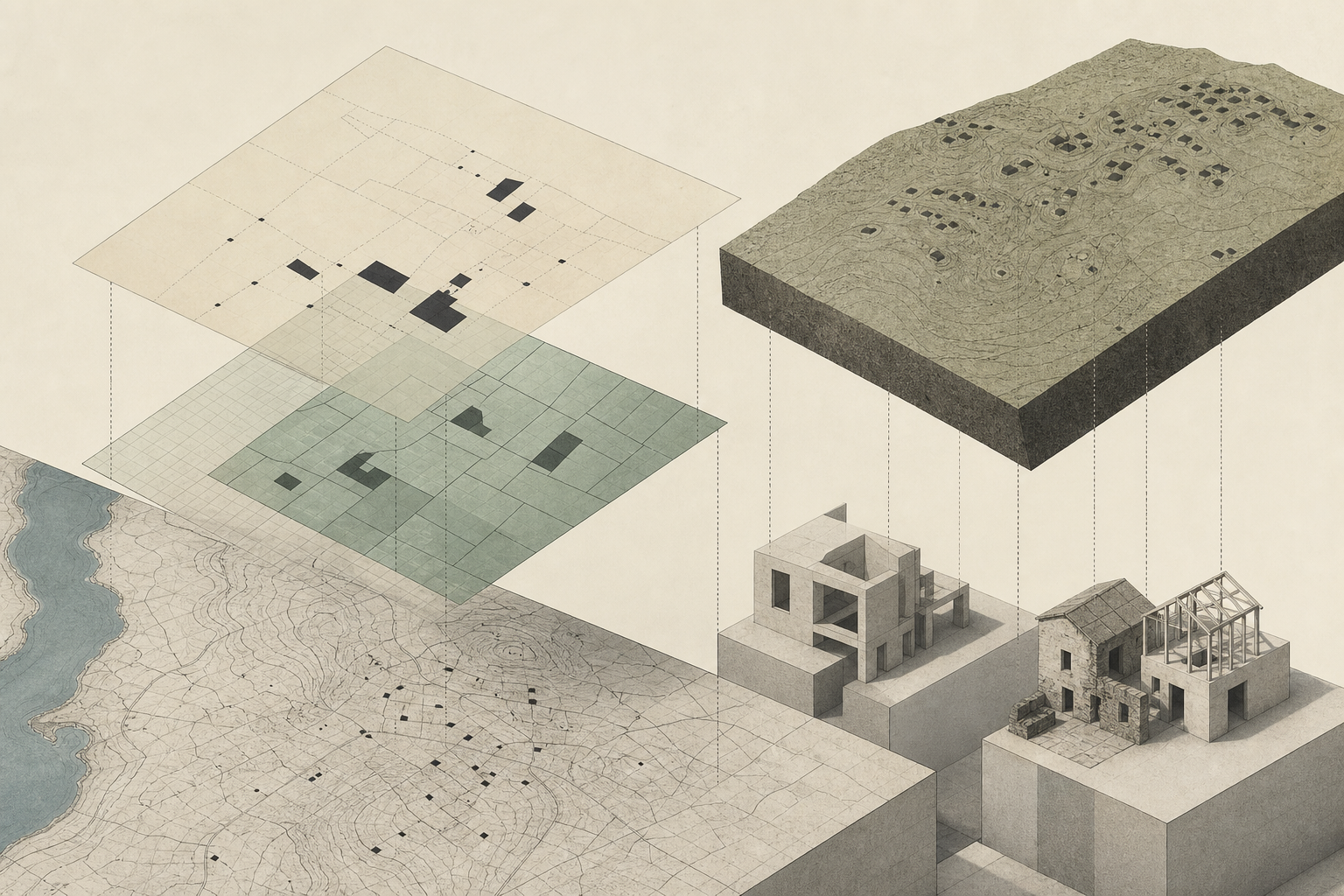
This gap between prices and wages requires a territorial perspective. Lisboa, Margem Sul and Vale do Tejo form a shared residential system, but they do not have the same transport, services or journey times. Affordability should be assessed by the total cost of living, not merely the purchase price.
Key points
1. Housing prices grew by 16.5% year on year in the second quarter of 2026, compared with 5.1% for average wages. 2. The deposit, interest, insurance, taxes and mobility weigh as heavily as the advertised price. 3. Greater supply only improves affordability when it reaches the market in locations, property types, timescales and at costs compatible with incomes.
Note
The comparison between price and wage indices indicates a trend; it is not a direct calculation of each family’s housing-cost burden.
Closing
The housing problem cannot be solved by choosing between demand and supply. It is solved by bringing income, land, financing, design and delivery closer together. Until that chain becomes shorter, each new price rise will continue to push housing further away from families who work and save but see homes advance faster than their wages.
Sources
idealista/news, 25 September 2026. House prices in Portugal rise three times faster than wages in one year.