More capacity, fewer buildings
Employment in the sector reached its highest level since 2011, but the number of buildings licensed and completed fell once again.
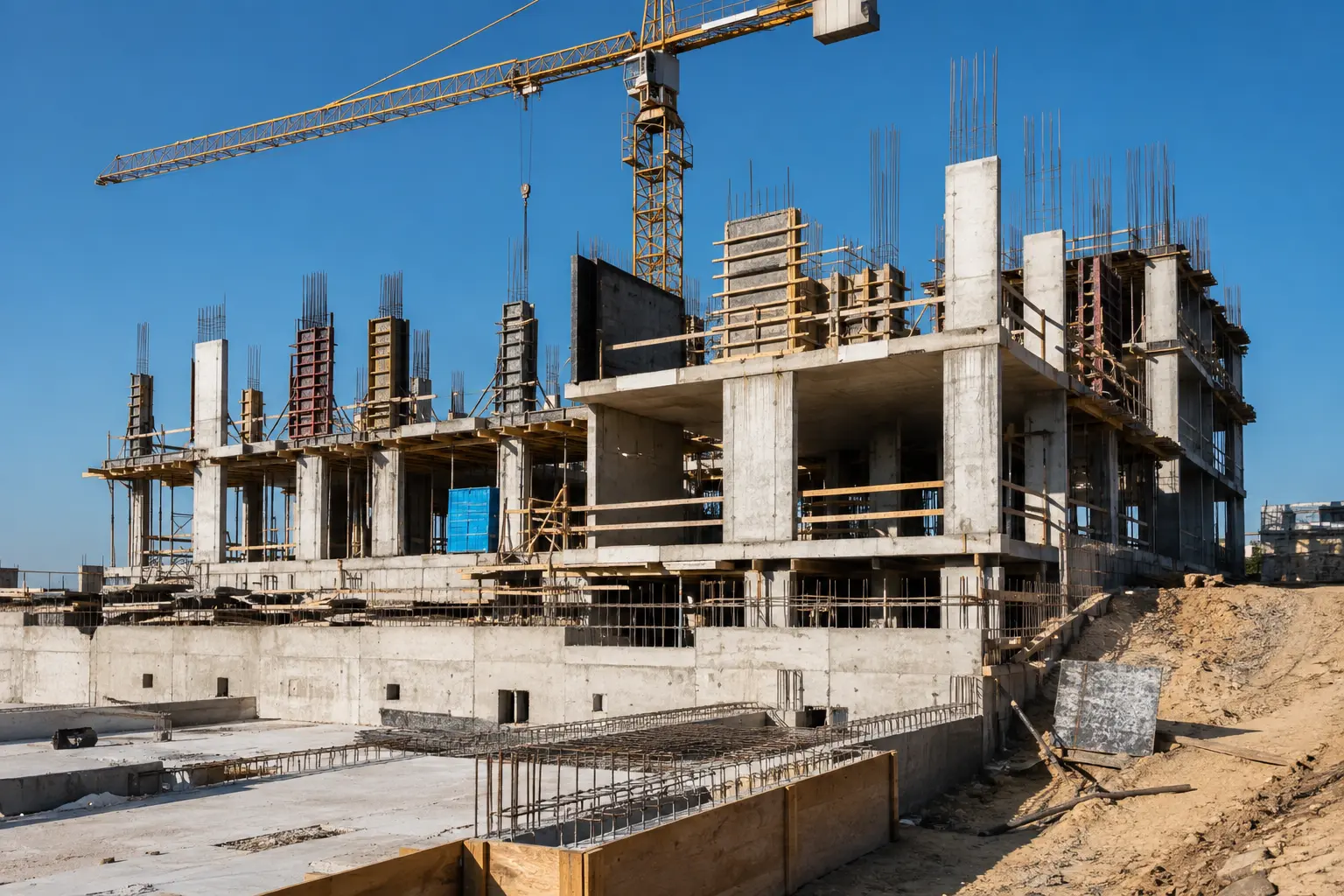
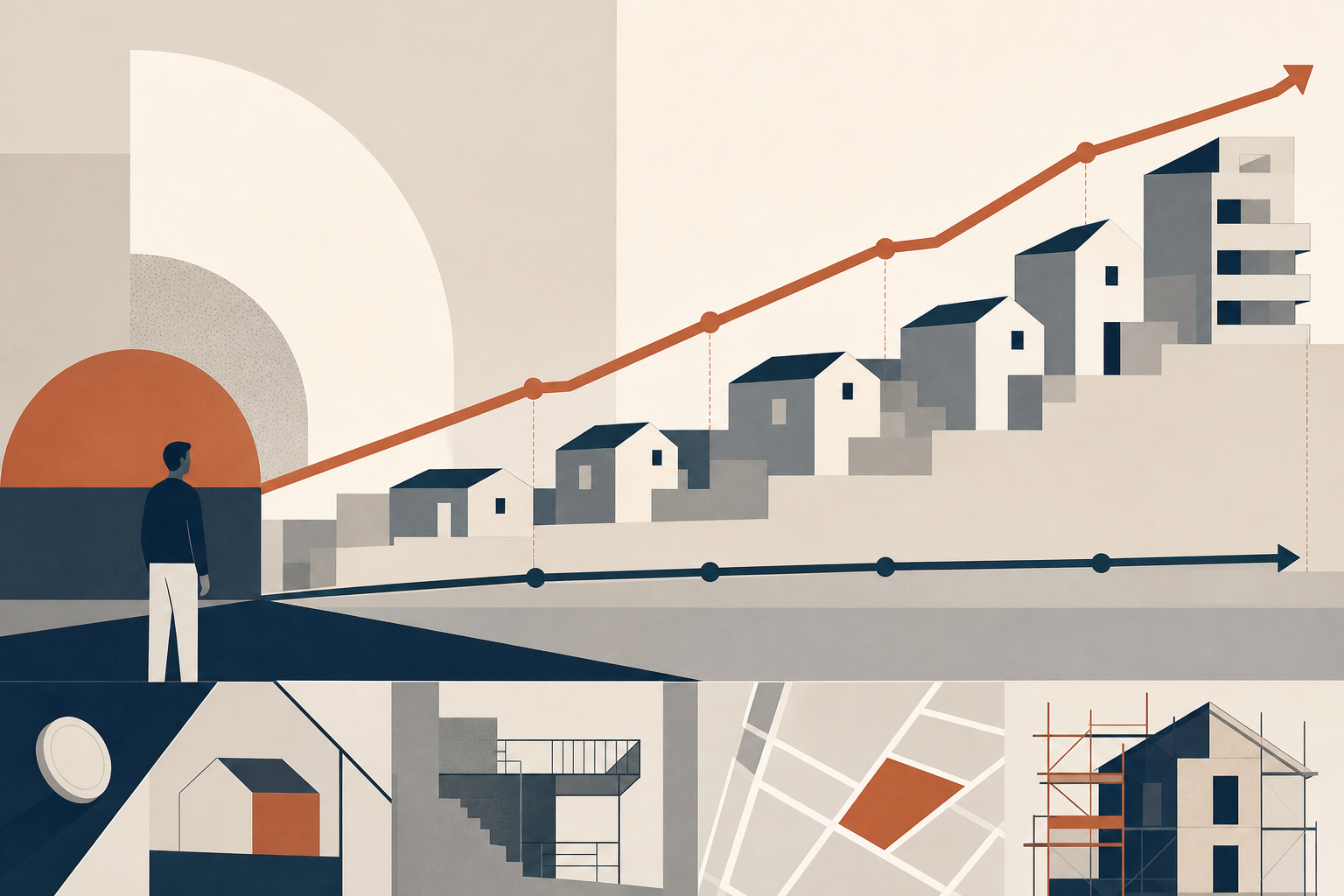
Construction employs more people and receives more financing, but these signs of activity have yet to translate into equivalent growth in supply. In the second quarter of 2026, both building permits and completions declined.

A sector expanding unevenly
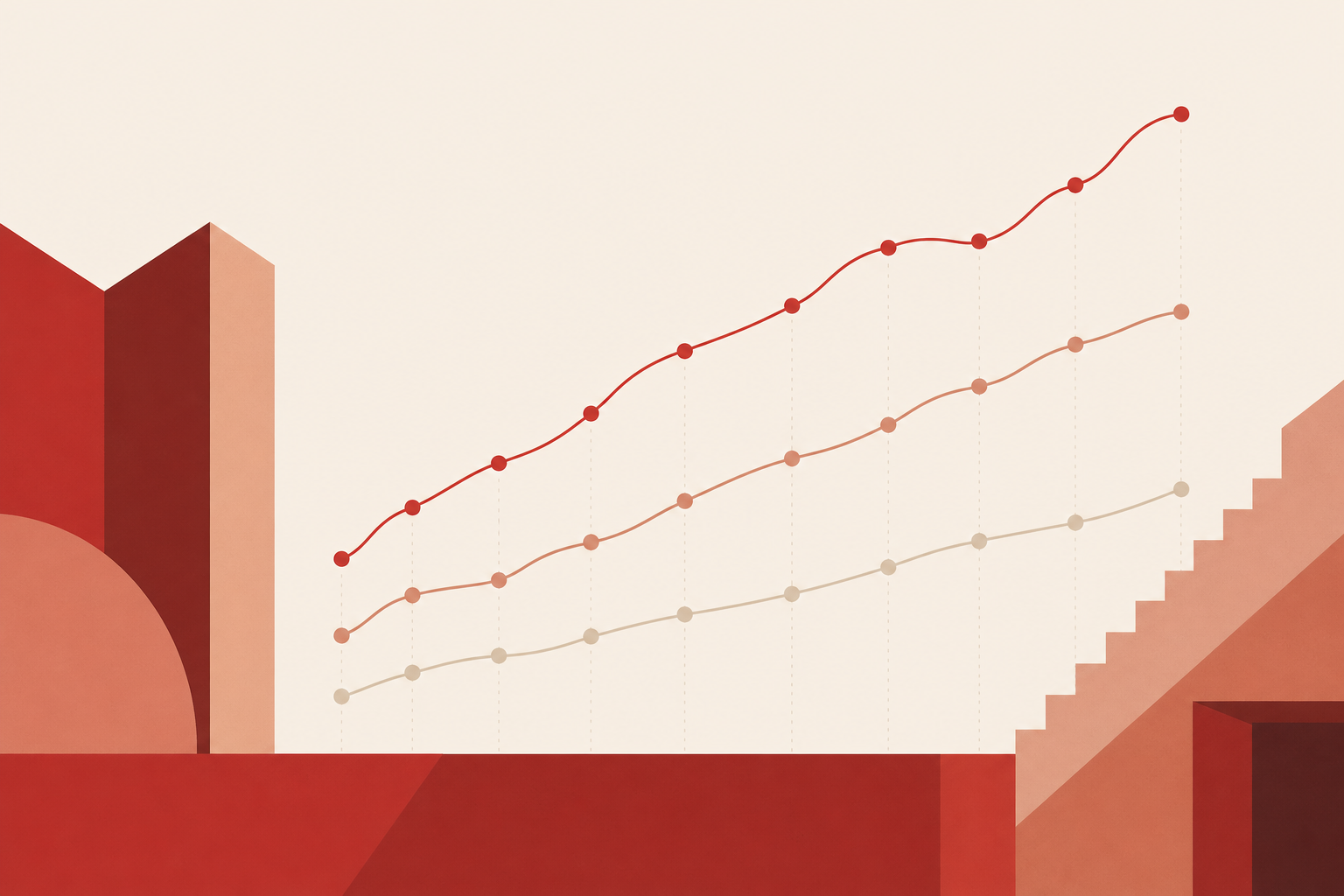
Portugal’s construction sector entered the second quarter of 2026 with 400.4 thousand workers, the highest figure since 2011. Employment in the sector grew by 11.2% compared with the same period a year earlier, outpacing growth across the economy as a whole. Financing also increased: in the first half of the year, new loans for house purchases, excluding renegotiations, reached €12.153 billion. In July, lending to construction and property companies also showed year-on-year growth. (aiccopn.pt)
These indicators describe a sector with more people and greater access to finance. They do not, however, mean that more construction is reaching the market. Around 6.2 thousand buildings were licensed in the second quarter of 2026, 7.1% fewer than a year earlier. Completed projects fell by 4.2%. Across the first half of the year, the number of licensed buildings was 8.4% lower than in the corresponding period. (idealista.pt)
The difference between buildings and dwellings
The figures require a distinction. Despite the reduction in the total number of buildings, the number of dwellings licensed in new family housing developments increased by 10.8% in the second quarter. Completed dwellings rose by 11.6%. It is therefore possible to license fewer buildings while simultaneously creating more housing units — for example, through larger or denser developments. (webinq.ine.pt)
Even so, this development does not automatically solve the supply problem. Between licensing, procurement, construction and a home actually entering the market lies a period affected by costs, technical capacity, the availability of serviced land and administrative procedures. The rise in employment demonstrates mobilisation capacity, but the decline in licensed buildings points to possible weakness in the future pipeline.
The decisive indicator
For buyers, residents and investors, the central issue is not merely activity in the sector, but the quantity, location, type and price of the homes that become available for use. Construction can grow in terms of employment and financing without producing a proportionate housing response, particularly when part of its capacity is absorbed by infrastructure, public facilities, tourism or residential segments with restricted access.
The second quarter therefore shows an active construction economy, but one in which resources are not being fully converted into supply. Pressure on housing will ease only when increased capacity is consistently reflected in licensed projects, completed construction and homes suited to household incomes and local needs.
Sources consulted
Instituto Nacional de Estatística (INE) · Idealista News · AICCOPN