Costs did not fall: they merely grew more slowly
Materials and labour continue to make new housing more expensive, despite a slight monthly slowdown.
In July, new housing construction costs increased by 6.8% year on year. Labour rose by 7.3% and materials by 6.3%, maintaining pressure on budgets, contracts and final prices.

An increase across the entire project
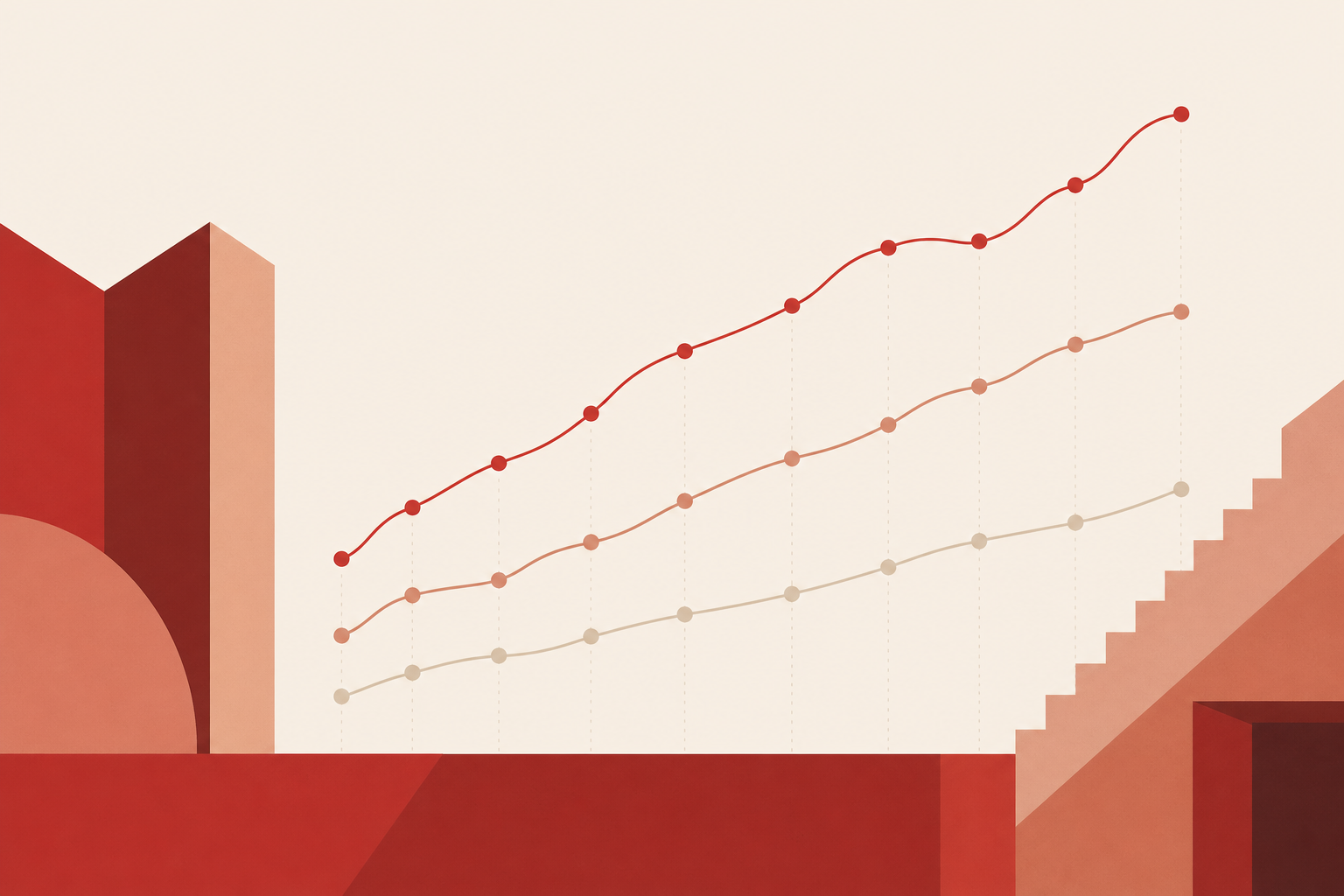
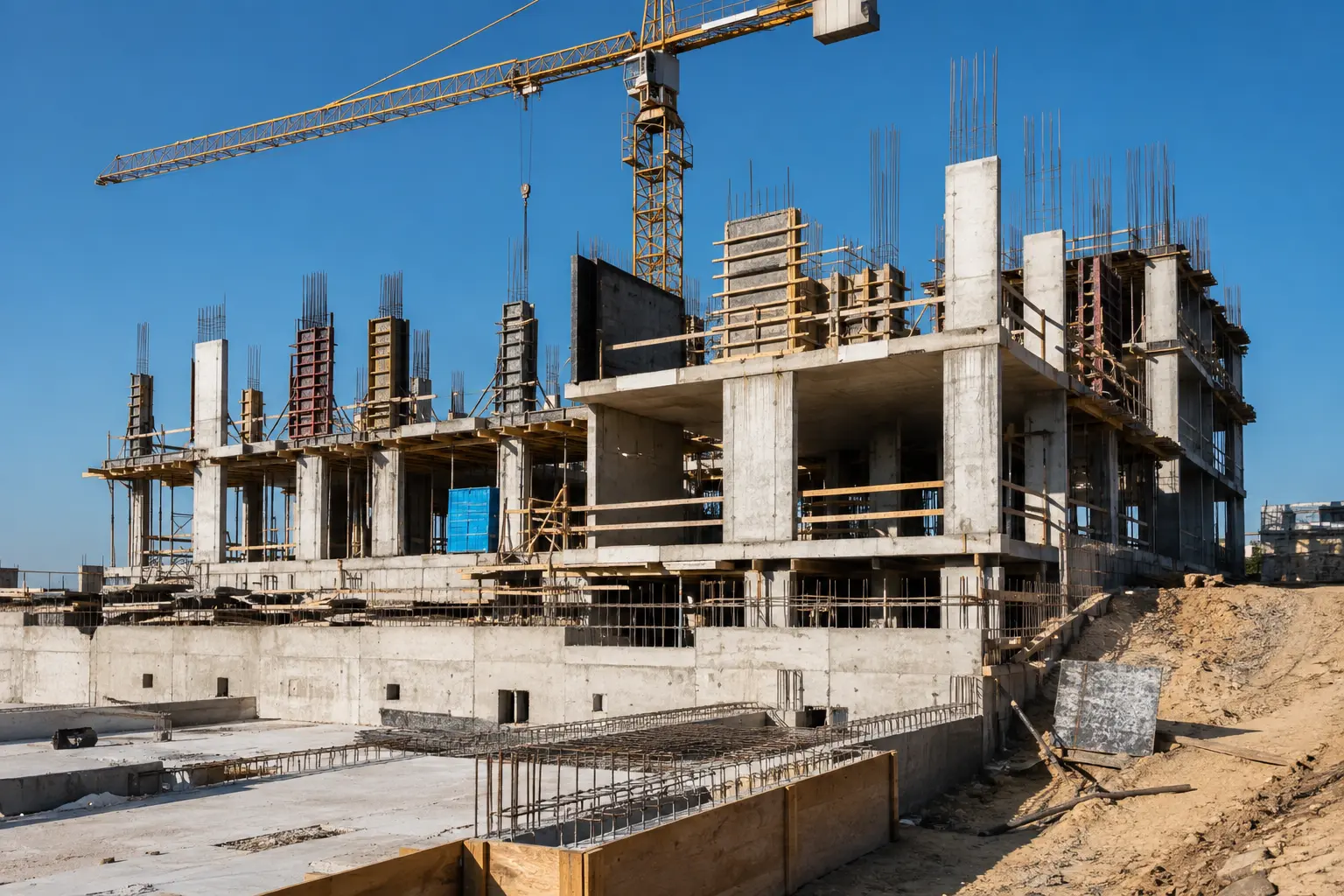
New housing construction costs increased by 6.8% in July 2026 compared with the same month a year earlier. The rate was 0.6 percentage points below that recorded in June, but the slowdown does not represent a reduction in costs. It merely means that they continued to rise at a slightly slower pace. Materials increased by 6.3% and labour by 7.3%. (idealista.pt)
This distinction is relevant when assessing the market. When growth slows, a budget does not return to previous levels. The new cost base remains in place and continues to affect projects still under development, contracts being procured and works whose financial margins were set before prices were updated.
The effect on projects
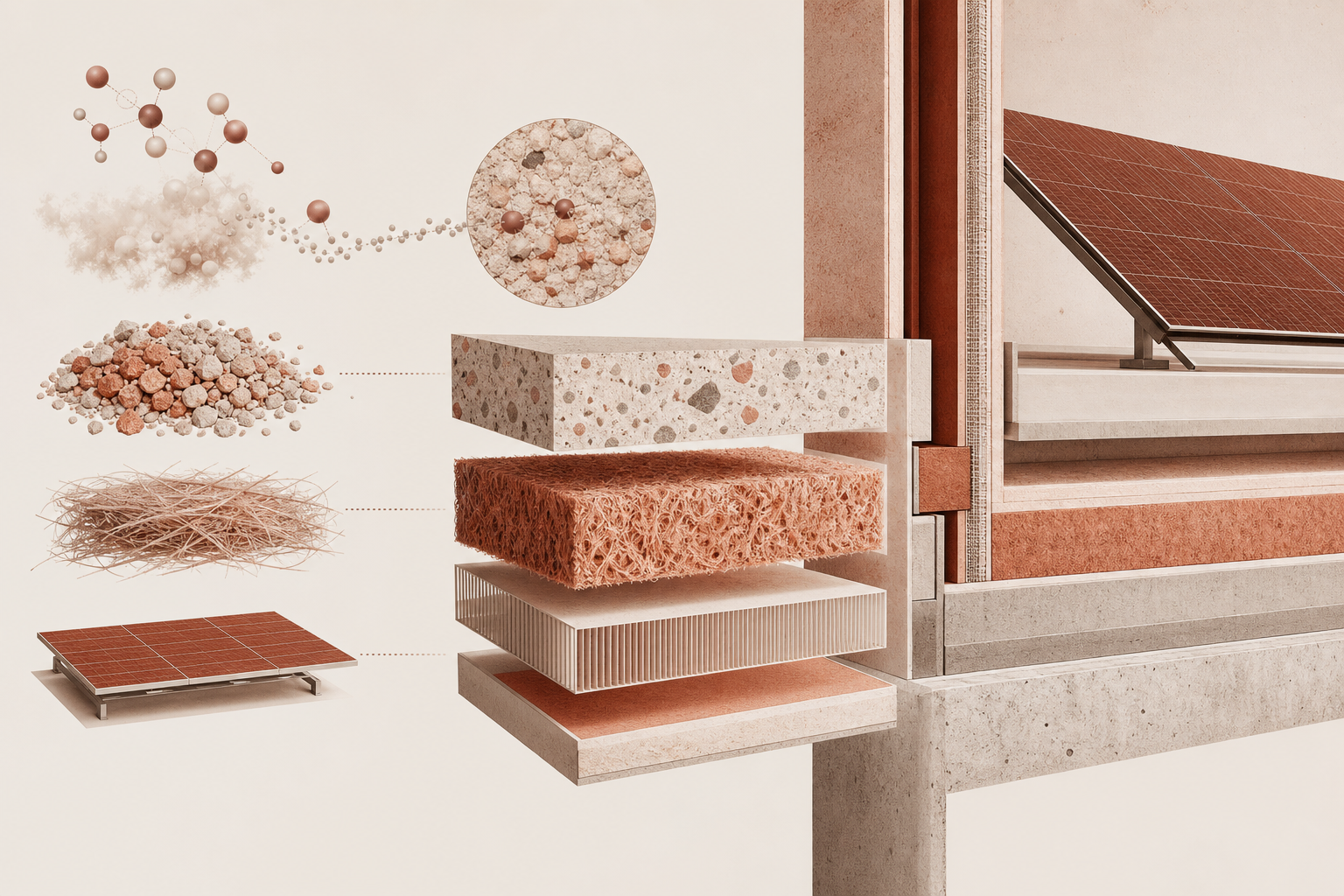
The increase in labour costs comes in a context of rising employment in the sector. The arrival of more workers improves delivery capacity, but does not eliminate the pressure associated with demand for skills, specialisation and site management. For materials, the increase affects different construction components and requires solutions, suppliers and purchasing schedules to be reviewed. (aiccopn.pt)
For developers, this trend may reduce the margin available to absorb unforeseen costs or fund elements that are not strictly mandatory. For designers, it increases the risk of decisions being based solely on initial cost, at the expense of performance over the building’s lifetime. For buyers, some of the pressure may emerge in the sale price, payment terms or reductions in floor area and specification levels.
A response based exclusively on substituting cheaper solutions may create costs later. Less insulation, systems that are complex to maintain or materials with lower durability transfer expenses to the building’s users. Budgetary discipline must therefore distinguish between what can be simplified and what protects comfort, energy efficiency, safety and the home’s capacity to adapt.
Planning for the total cost
The current context reinforces the importance of integrating design, construction and operation from the earliest decisions. Repeating components, modular design, reducing waste, early procurement and selecting locally available materials can limit exposure to fluctuations without reducing quality.
Building under pressure demands even greater precision. Costs must be monitored throughout the entire process, not only when the contract is awarded. The analysis should include maintenance, energy consumption, repairability and the expected lifespan of components. When material and labour costs rise simultaneously, efficiency ceases to be merely a technical option: it becomes a condition for preserving economic viability and the quality of the built environment.
Sources consulted
Instituto Nacional de Estatística (INE) · Idealista News · AICCOPN