Using AI for planning permission is not the same as letting AI decide
The pilot projects announced for planning permission may reduce repetitive tasks. Technical and administrative responsibility, however, cannot be automated.
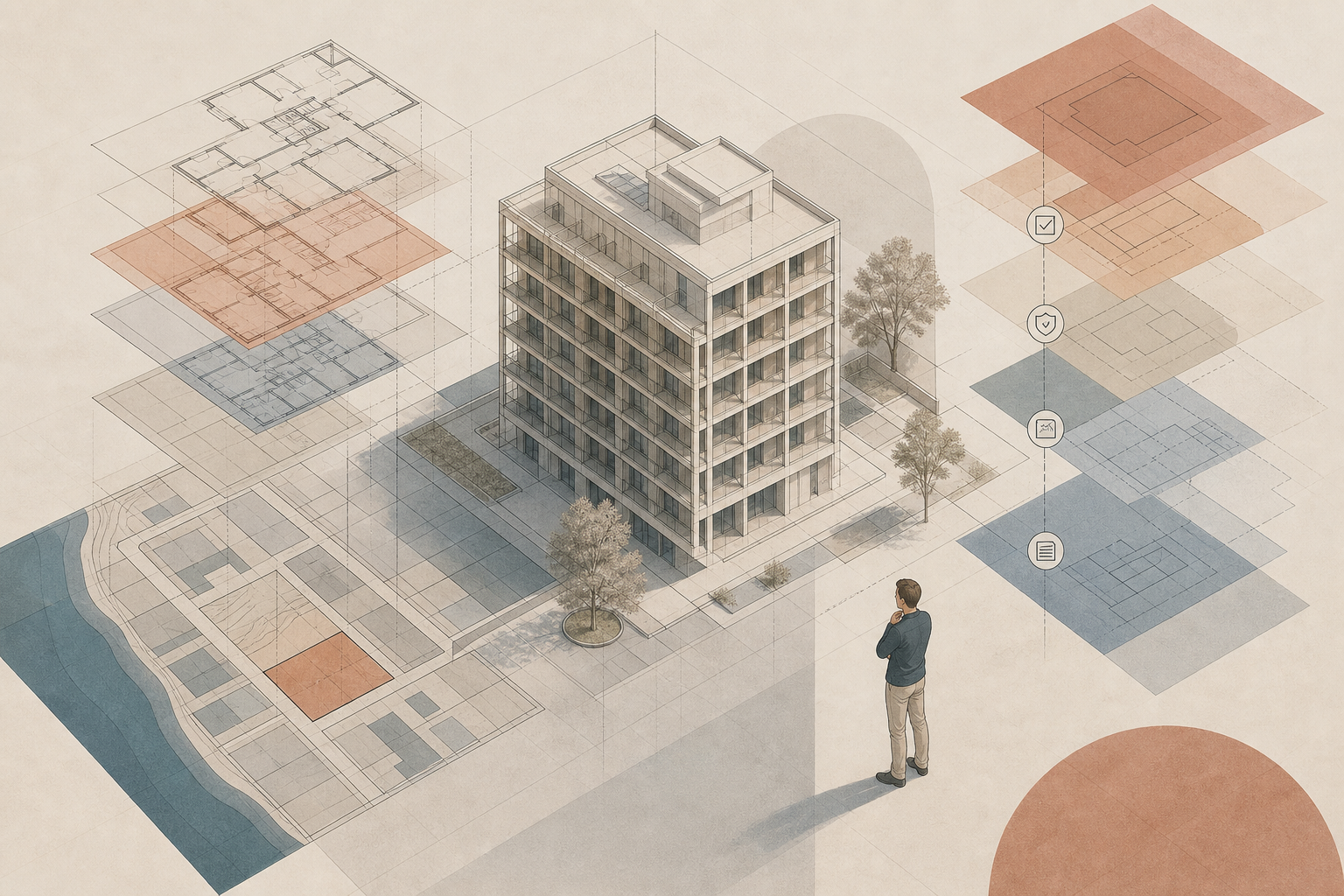
Artificial intelligence can help check documents, cross-reference rules and organise applications. Any time saving will only be credible if there are consistent data, transparent criteria and human decision-making.
Category: Construction and Infrastructure
The pilot projects announced for planning permission may reduce repetitive tasks. Technical and administrative responsibility, however, cannot be automated.
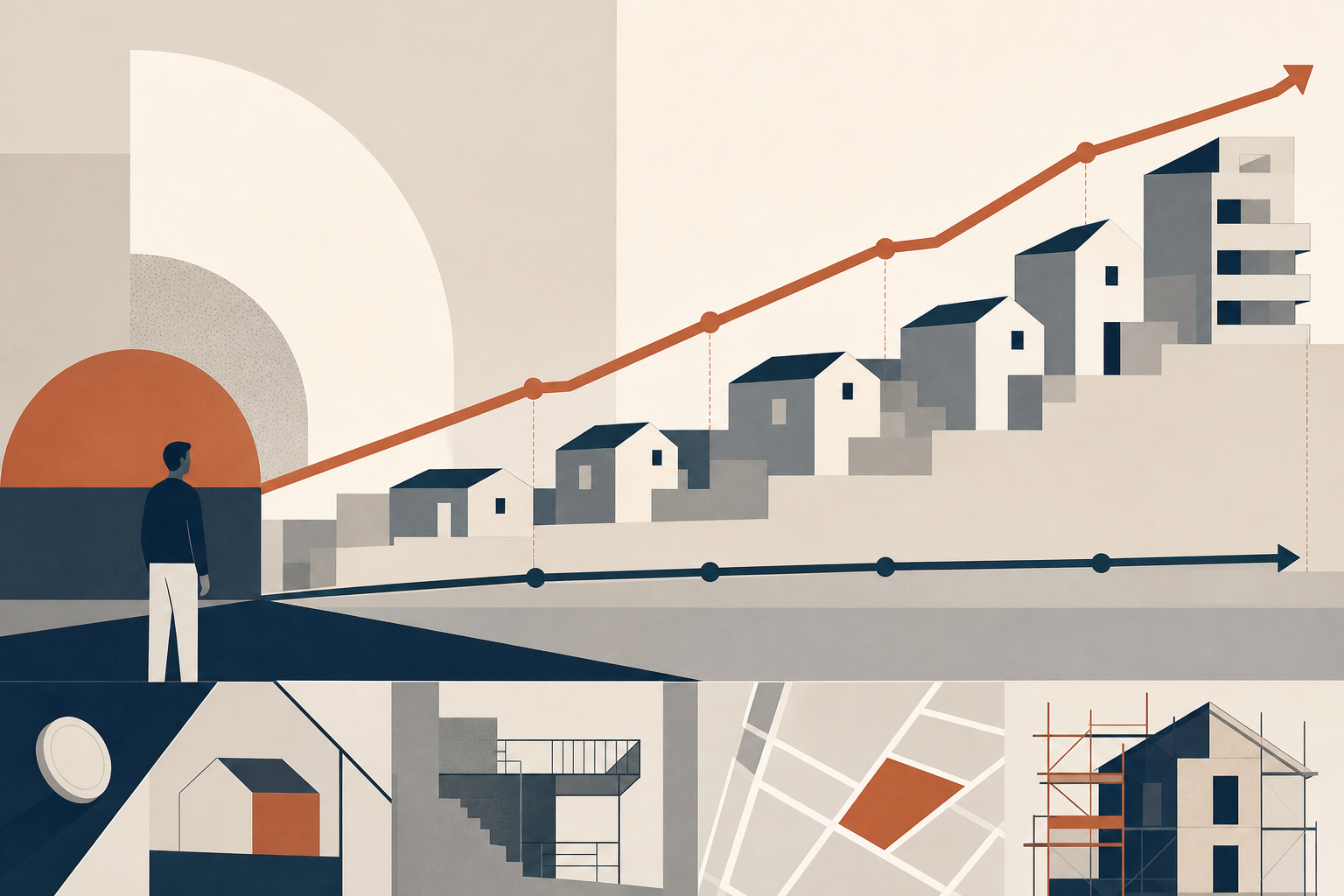
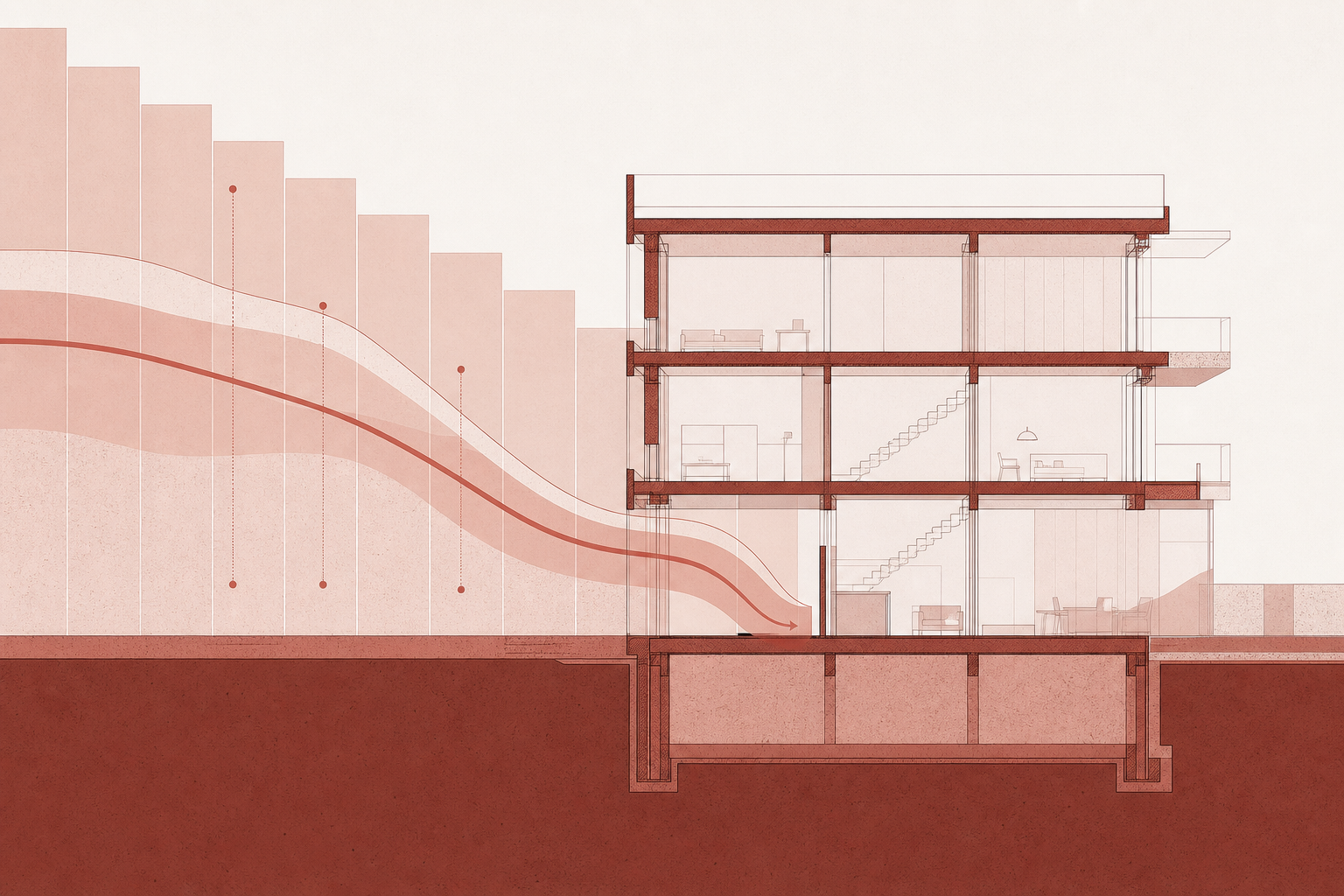
Portugal has launched municipal pilot projects to apply artificial intelligence to planning permission. The stated goal is to bring decision times closer to 50 days. This ambition addresses a problem familiar to developers, designers and municipalities: lengthy procedures, scattered documents, repeated requests for information and rules that are not always interpreted consistently.
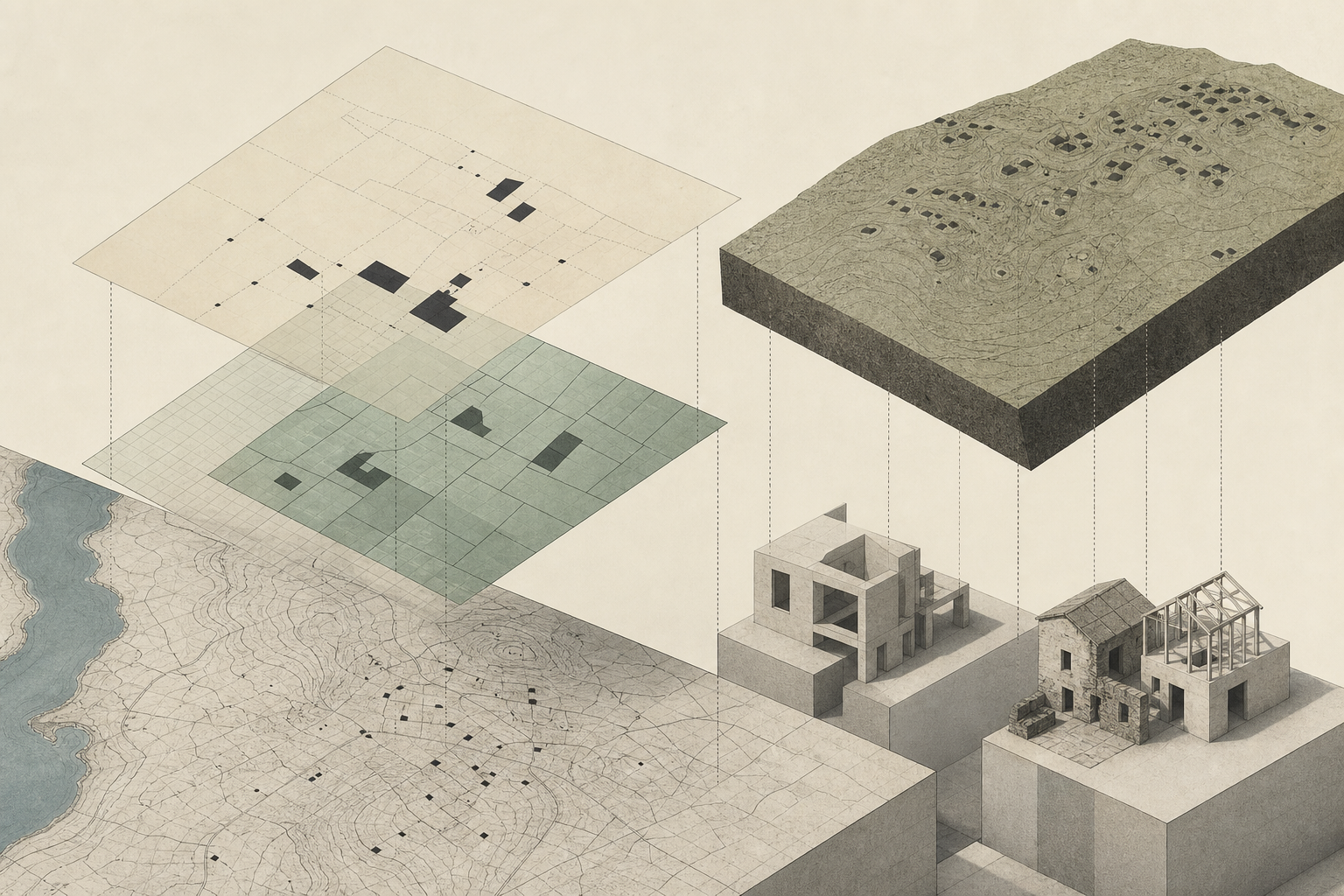
Technology can be useful before a decision is made. A system can confirm whether an application contains the mandatory documents, identify inconsistencies between forms, compare areas and parameters, or direct the application to the relevant departments. It can also flag applicable regulations and produce a checklist for the municipal officer. These tasks consume time and are sufficiently structured to benefit from automation.
The limit is reached when checking is confused with deciding. A project is not simply a collection of fields. It involves the urban context, heritage, accessibility, public utilities, safety and effects on third parties. Municipal regulations may contain concepts that require interpretation. Drawings and design statements may be formally consistent yet technically insufficient. The final decision must therefore remain identifiable, reasoned and signed by someone with legal authority.
Data quality will be decisive. If municipalities use outdated databases, incompatible mapping or poorly structured rules, artificial intelligence will merely accelerate errors. It must also be possible to know which version of each regulation was used, what checks were carried out and why an alert was generated. Without an auditable record, applicants cannot understand or challenge the course of the assessment.
Responsible use should begin with low-risk tasks and publicly measured results. Average processing time, the number of requests for clarification, return rates and discrepancies between automated assessment and human decisions should all be compared. A shorter timescale is not enough if it leads to more subsequent corrections, disputes during construction or different treatment of equivalent cases.
Digital planning procedures can make the process predictable. To achieve this, technology must support technical teams rather than replace planning criteria or conceal responsibility.
Key points
1. AI can check documentation, cross-reference parameters and organise applications before technical assessment. 2. Decisions must remain human, reasoned, auditable and subject to the legal powers of each authority. 3. Success should be measured by timescale, quality, the number of returned applications and consistency, not merely speed.
Note
Automating the initial checks can free up technical time for the aspects that genuinely require interpretation, coordination and responsibility.
Closing
The best application of artificial intelligence to planning will probably be the least spectacular: fewer lost documents, fewer repeated requests and greater clarity about the status of each application. If technology makes the route to a decision visible, 50 days can become a service target. If it merely produces faster answers without explanation, it will be another layer of opacity.
Sources
idealista/news / Lusa, 21 September 2026. AI in planning applications? Government proceeds with pilot projects.