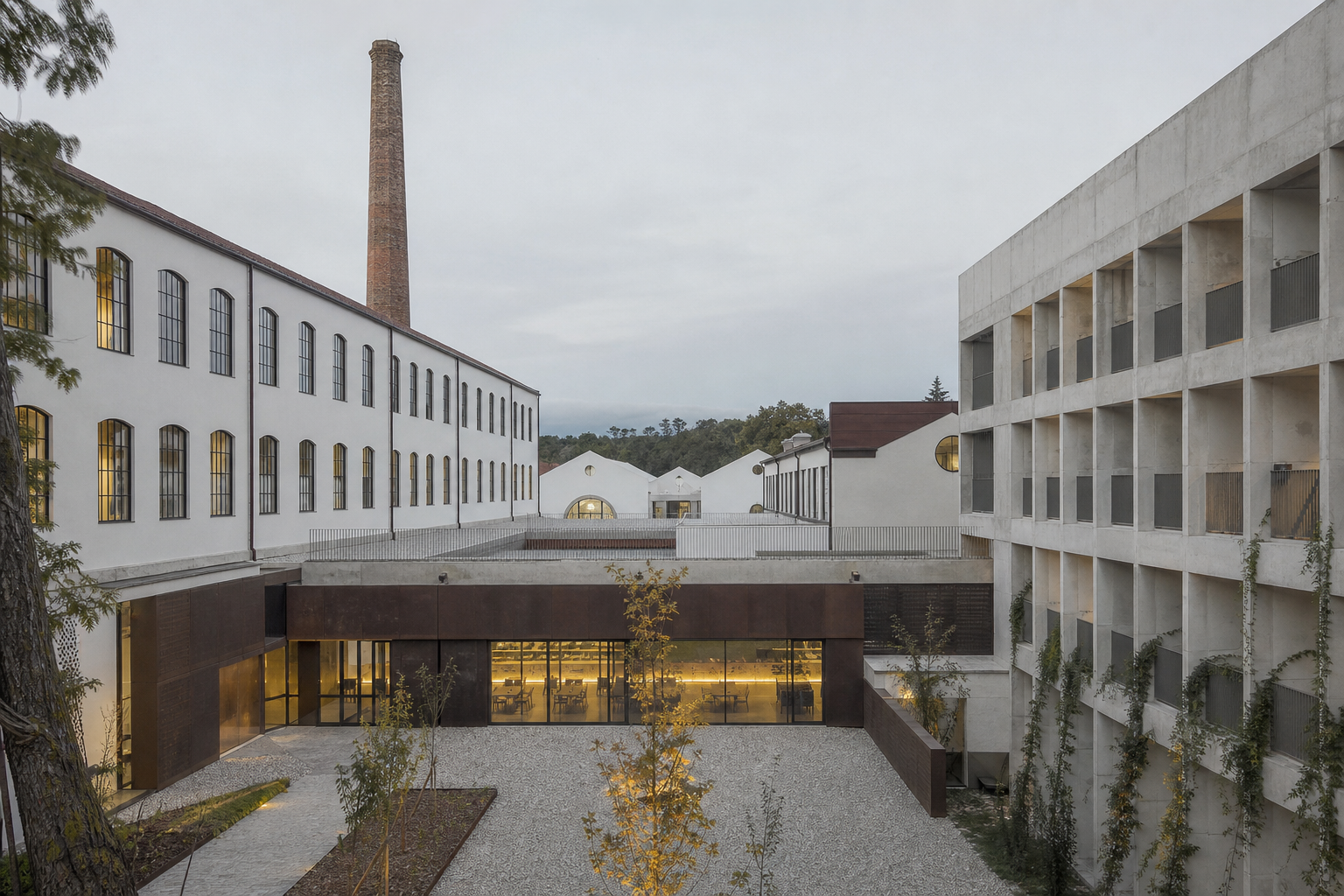
A factory need not be erased to house students
The former Fábrica Confiança in Braga has been converted into a public student residence with 786 beds. The project brings together heritage reuse, industrialised construction and a policy of access to education.
Residência Universitária Confiança almost doubles the Universidade do Minho’s accommodation capacity in Braga and shows how an industrial building can house a contemporary programme without losing its urban memory.
Category: Architecture and Rehabilitation
The former Fábrica Confiança in Braga has been converted into a public student residence with 786 beds. The project brings together heritage reuse, industrialised construction and a policy of access to education.
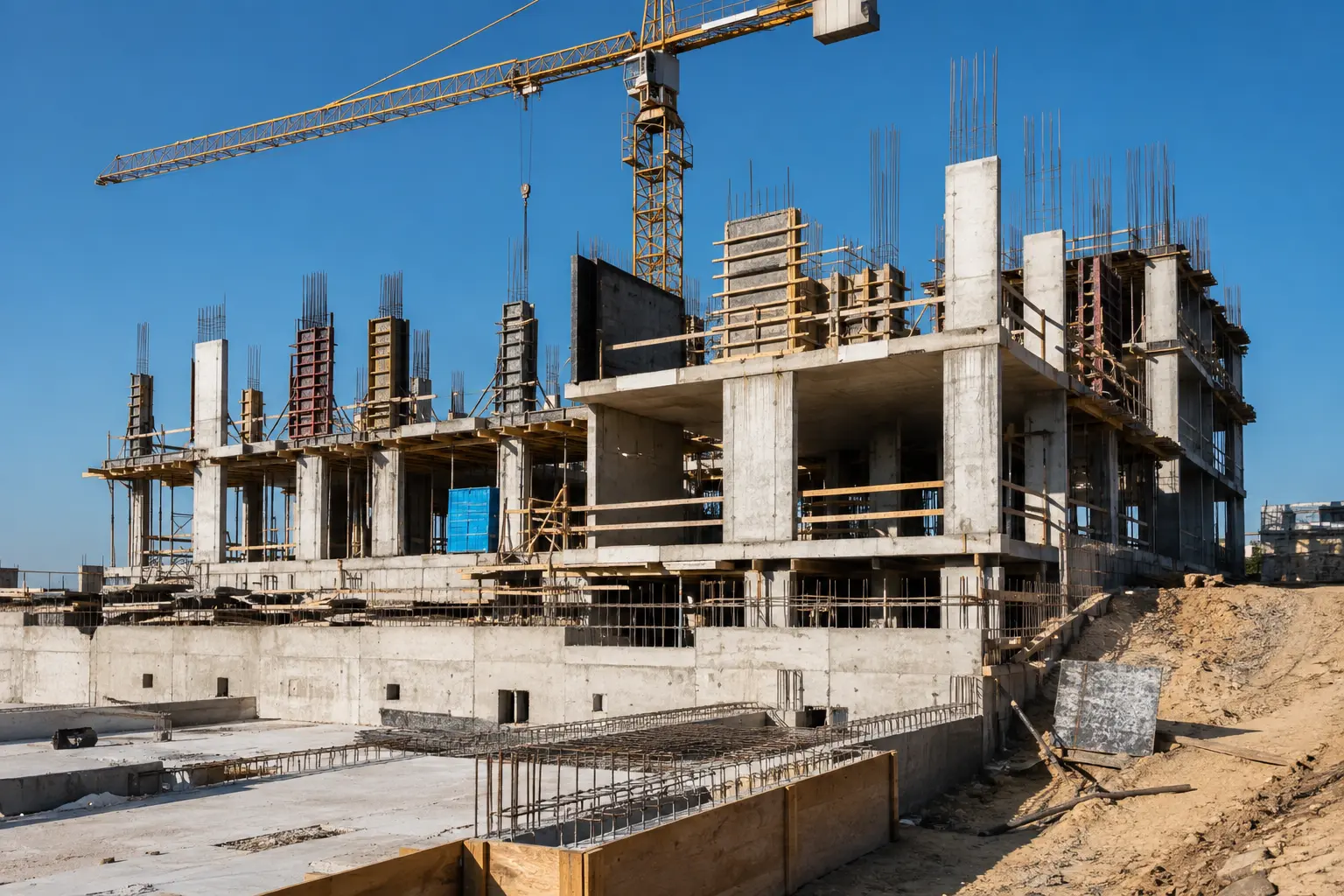
Residência Universitária Confiança opened in Braga with 786 beds. The total investment stated by the Government is 31.1 million euros, of which 29.5 million was financed by the Plano de Recuperação e Resiliência. The operation restored the former factory and added new construction in the courtyard, with management entrusted to the Serviços de Ação Social da Universidade do Minho.
The scale changes the local provision. The university’s accommodation capacity in Braga rises from 855 to 1,631 beds. The new residence does not meet all demand, but it reduces pressure on students living away from home and on the rental market. It also shows that student accommodation is infrastructure for access to education. A university place loses value when the city does not offer a housing solution compatible with the family budget.
The architectural interest lies in the relationship between permanence and transformation. Fábrica Confiança formed part of Braga’s industrial memory. Its reuse means that the programme does not begin on an empty site and allows a recognisable urban landmark to be retained. Preservation does not mean freezing a building in time. It requires decisions about which elements have value, how they accommodate new utilities and safety requirements, and how the new construction can be distinguished without disrupting the whole.
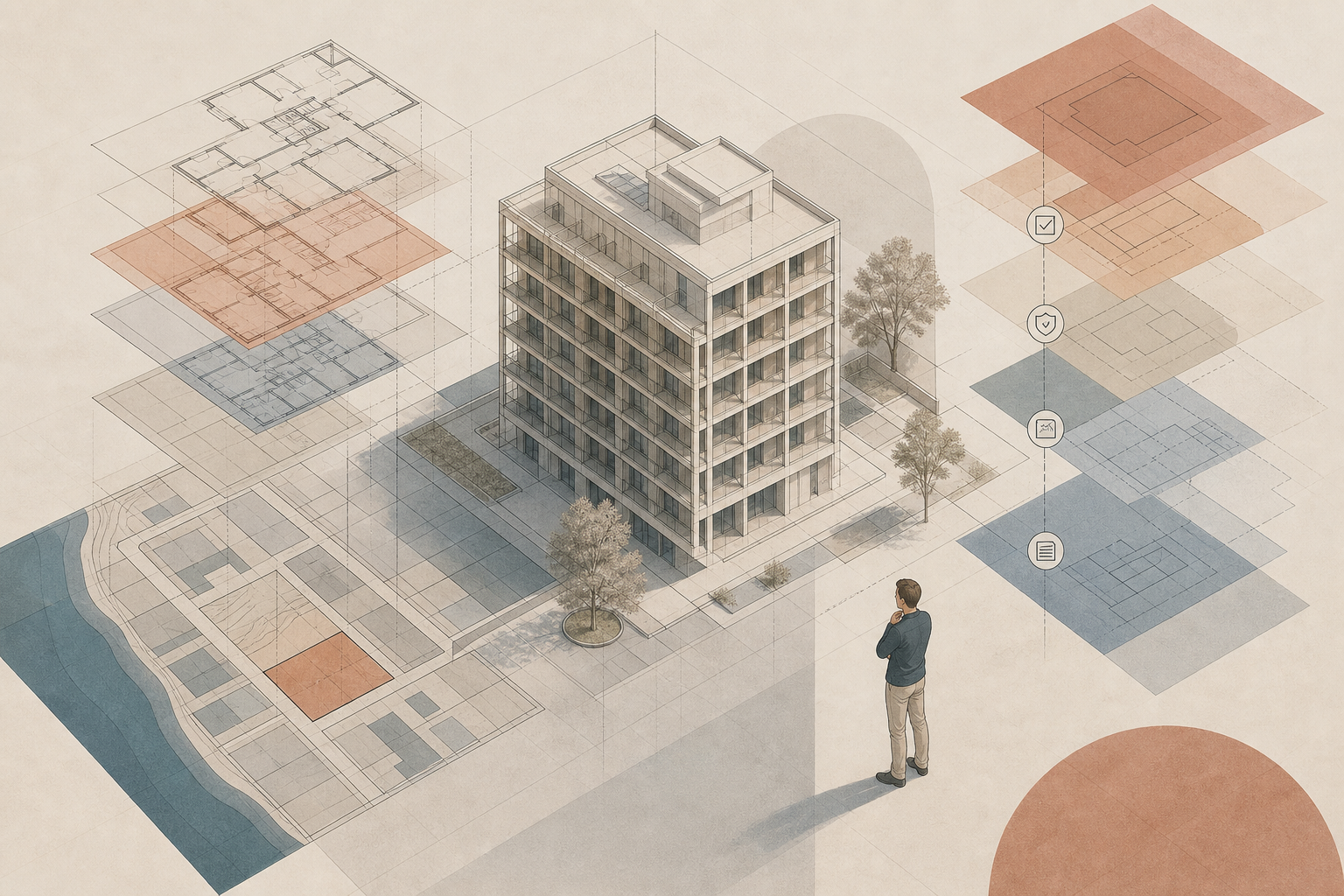
According to the information released about the project, construction used BIM tools, a digital twin and industrialised timber and concrete components. These methods can improve coordination, planning and control, particularly in a repetitive programme such as a residence. Their value does not lie in technological novelty alone. It lies in their capacity to reduce conflicts, prepare assembly and retain useful information for the building’s future operation.
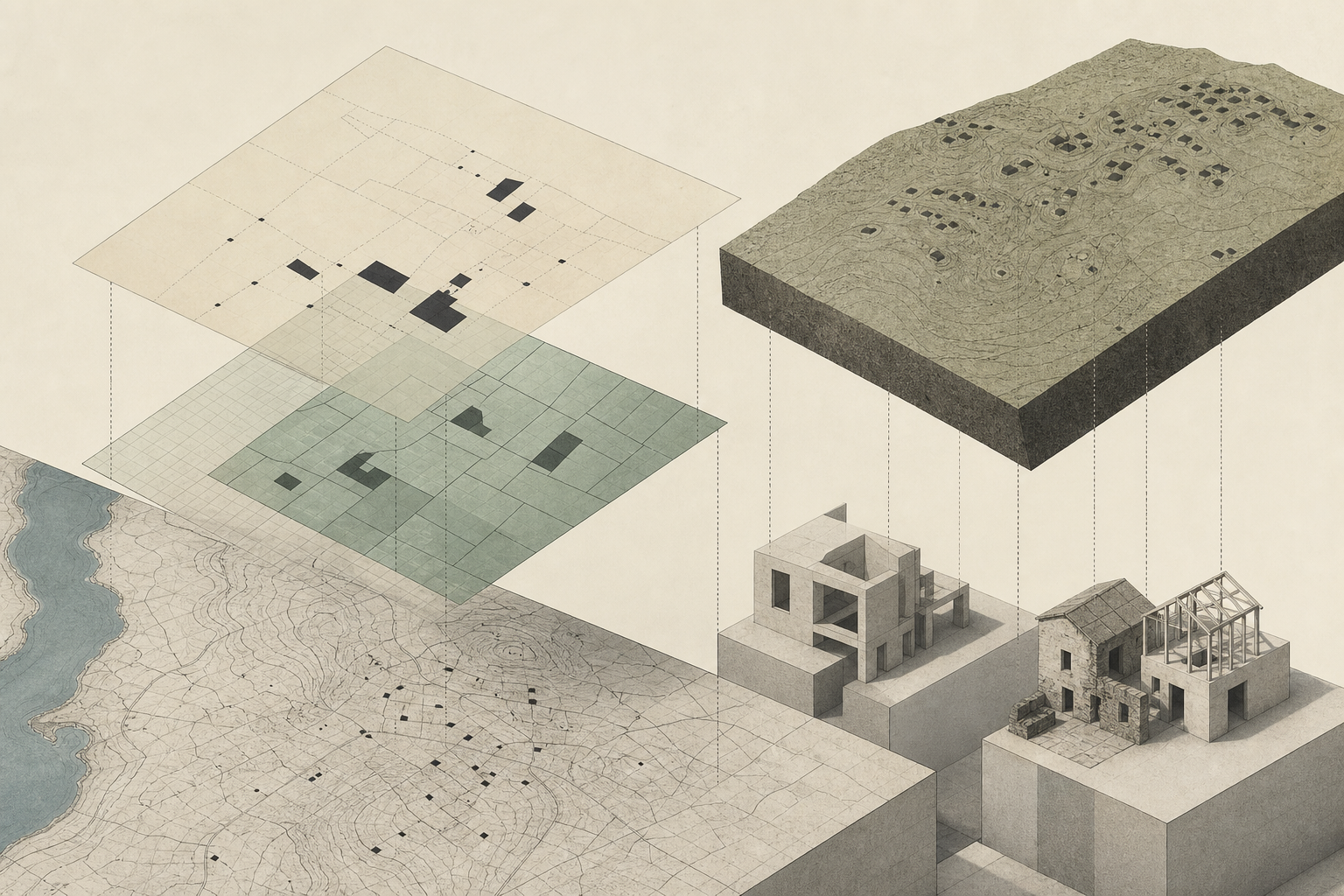
The rehabilitation of industrial structures involves uncertainty. Existing geometry, defects, foundations and the coordination of systems make the project more demanding than modular repetition on an undeveloped site. The combination of survey work, a digital model and prefabricated components can bring together two worlds that are often presented as opposites: conserving existing fabric and building through contemporary processes.
The Braga case should be understood simultaneously as public policy, a construction project and urban transformation. Its quality will be assessed through daily use, maintenance and the relationship that the new programme establishes with the street and the community.
Key points
1. The residence adds 786 beds and increases the Universidade do Minho’s accommodation capacity in Braga to 1,631. 2. The intervention combines restoration of the former factory with new construction in the courtyard. 3. BIM, a digital twin and industrialised components supported the coordination of a heritage project with a repetitive programme.
Note
The project’s most significant figure is not merely the number of beds. It is the transformation of a disused industrial building into public infrastructure used every day.
Closing
Rehabilitating before demolishing is not an absolute rule. It is a design question. At Fábrica Confiança, the answer preserved an urban presence and created accommodation on a meaningful scale. The lesson lies not in copying the building’s form, but in recognising that heritage, technology and social policy can form part of the same process.
Sources
Serviços de Acção Social da Universidade do Minho, 11 September 2026. Residência Confiança expands UMinho accommodation with 786 new beds. Governo de Portugal, 11 September 2026. The country’s largest student residence opens. idealista/news, 16 September 2026. The country’s largest public university residence has opened in Braga.