Why public works costs increase
Additional works under public works contracts reached €204.4 million in 2025. The figure demonstrates the importance of better project preparation, identifying risks and making decisions before work reaches the construction site.
Not all deviations can be avoided, but many additional costs arise from insufficient information, poorly coordinated designs or decisions deferred until the construction stage.
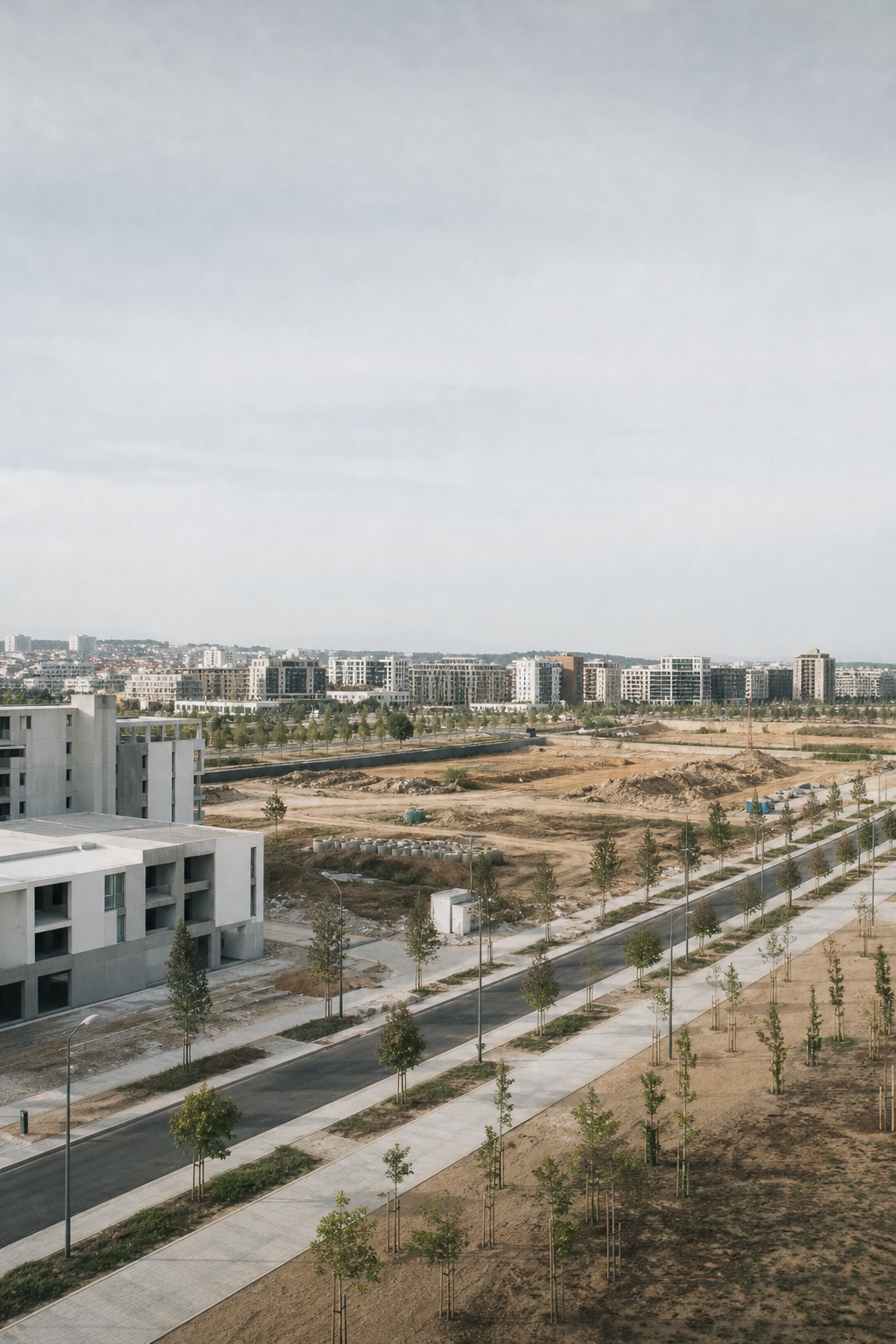
Additional works under public works contracts amounted to €204.4 million in 2025, the highest annual figure recorded by the Court of Auditors since 2006. Between 2023 and 2025, the accumulated net deviation reached €561.6 million. These figures warrant an analysis that goes beyond scrutiny of final expenditure.
Not all additional works result from failures. A project may encounter geological conditions that differ from those anticipated, buried utilities without reliable records or new technical requirements. Legitimate changes to the brief may also occur. The problem arises when these situations cease to be exceptional and begin to compensate for inadequate surveys, incomplete designs or a lack of coordination between disciplines.
When this happens, the additional cost emerges during construction, but its origin may predate it. A poorly defined brief, insufficient ground investigations, incomplete measurements or incompatibilities between designs transfer decisions to the construction site, where any change tends to be more expensive and to affect the schedule. Supervision is essential, but it cannot fully recover decisions that should have been made before the tender.
The update to the Public Contracts Code and the preparation of a Construction Code may help clarify procedures and responsibilities. However, no legislative change can replace a complete detailed design, reliable baseline information and teams capable of managing complex contracts. Simplifying procedures should not mean postponing checks until the construction stage.
Control must begin during preparation of the contract. The contracting authority needs to confirm the brief, budget, licences, availability of the land, existing constraints and the maturity of the design documents. During construction, changes must be recorded together with their technical justification, the decision made, their financial impact and their effect on the schedule.
It is also important to make use of accumulated experience. When the same problems recur in different contracts, that information should feed back into specifications, design standards and internal procedures. The aim is not to eliminate all changes, which would be unrealistic. It is to reduce late decisions and distinguish a genuine unforeseen event from something that could have been studied and coordinated in advance.