The address continues beyond the front door
Location is measured through daily journeys, available services and the likely development of the surrounding area.
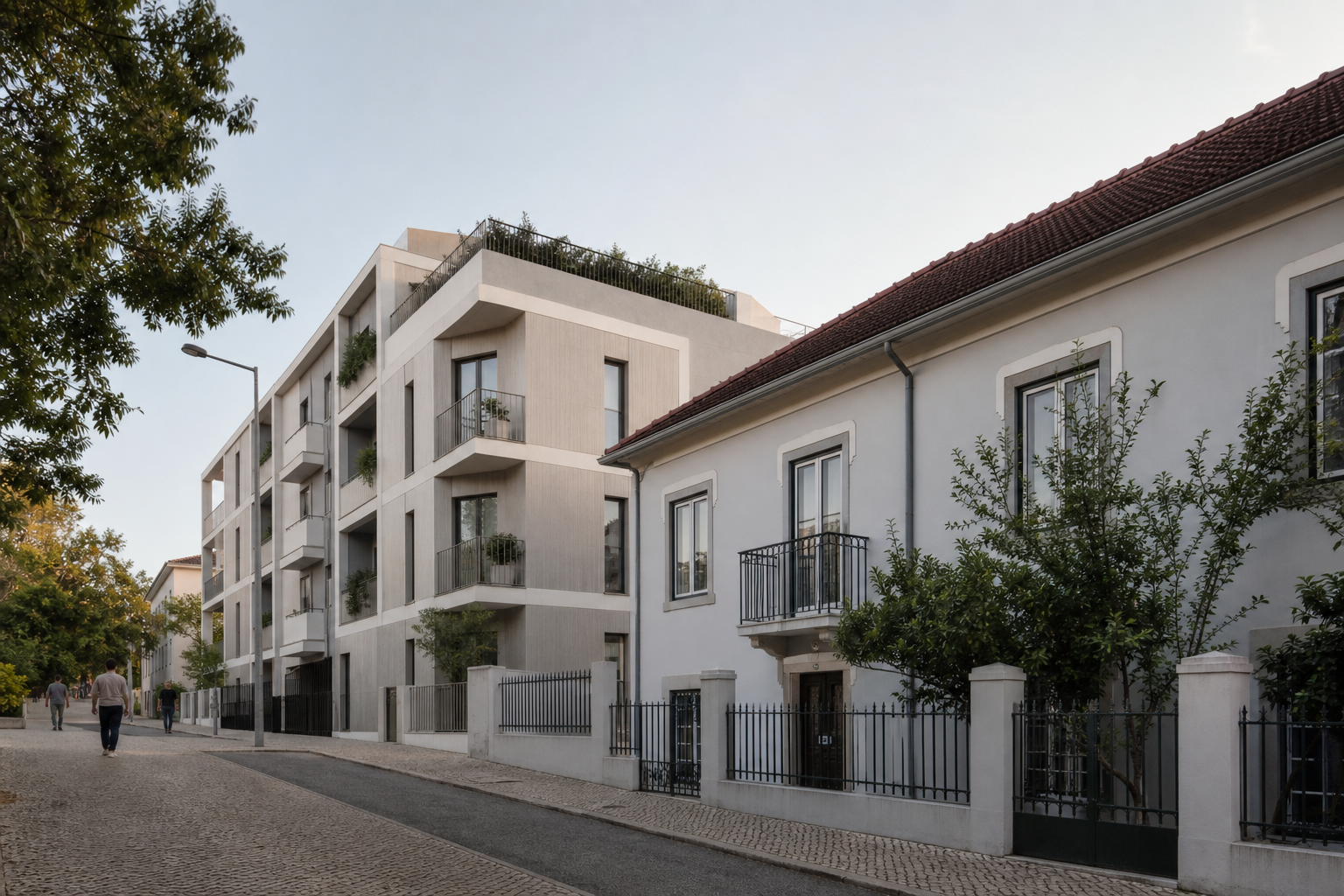
A viewing should include the neighbourhood, access and the condition of the property, because the everyday quality of a home also depends on its surroundings.
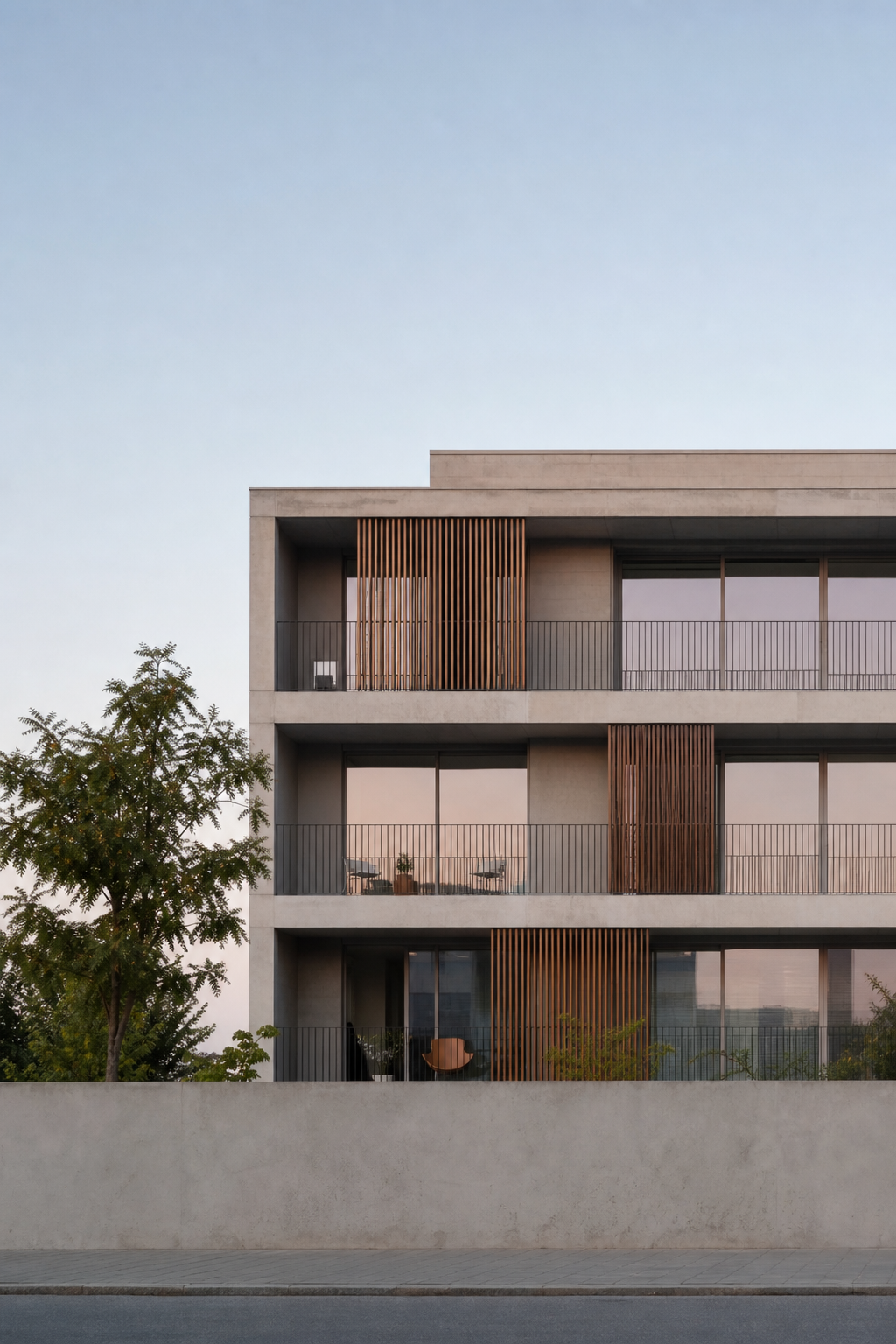
Location is not limited to the name of the street or the direct distance to the city centre. It should be assessed through the journeys that will form part of daily life, including travel to work, school, healthcare, shops and public transport networks.
The actual duration of these journeys may vary throughout the day. The surrounding area should therefore be observed at different times. Traffic, parking, noise, lighting, pedestrian activity and local commerce can change between the morning, evening and weekend.
Proximity to green spaces, public facilities and local shops can reduce travel and support everyday life. Pavement accessibility, street gradients and the continuity of walking routes are also relevant to people with reduced mobility, children and older residents.
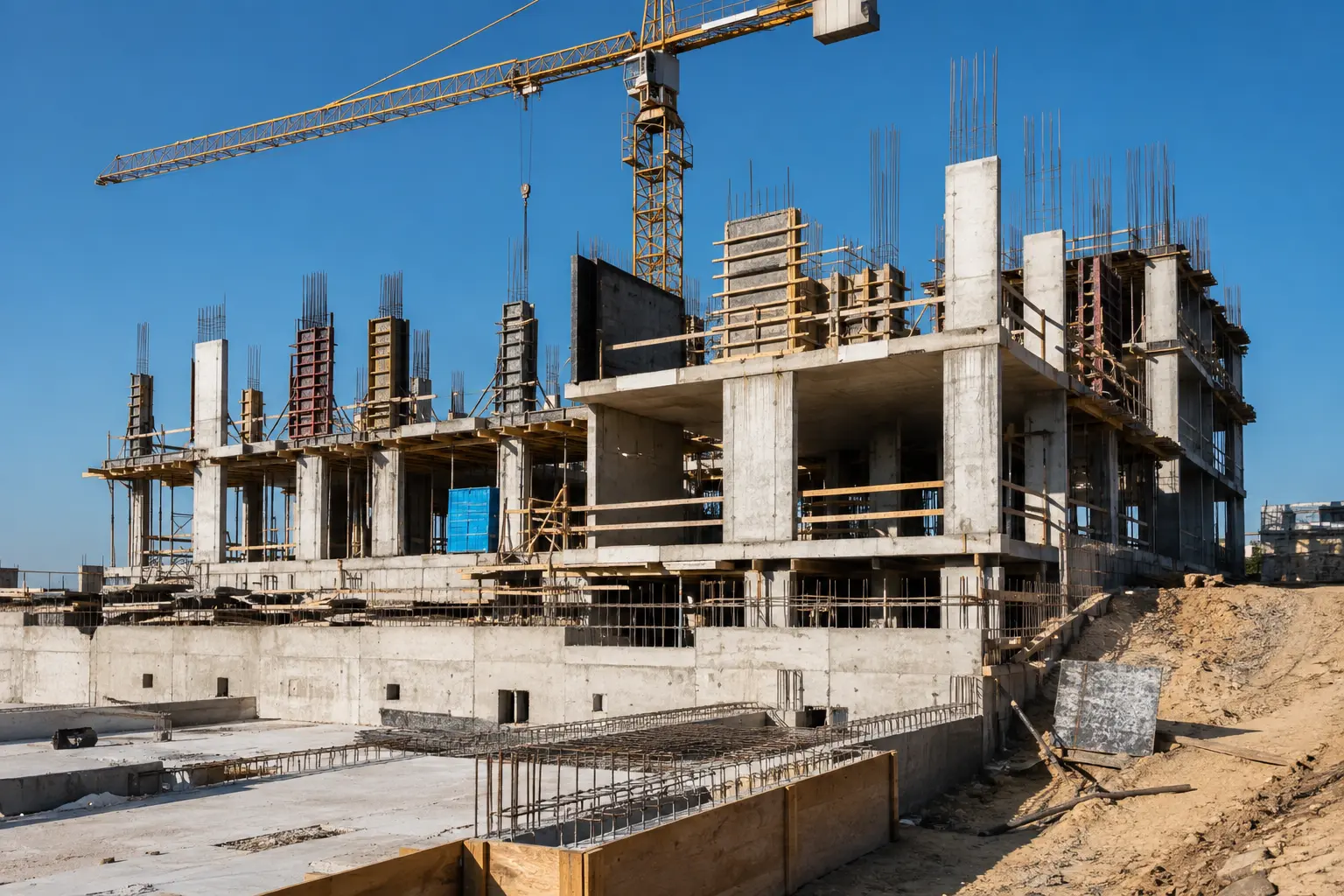
It is also important to understand whether the area is established or undergoing change. New construction, road alterations and changes in land use may affect views, noise, traffic and demand. Observation of the site should therefore be supported by consultation of the available planning information.
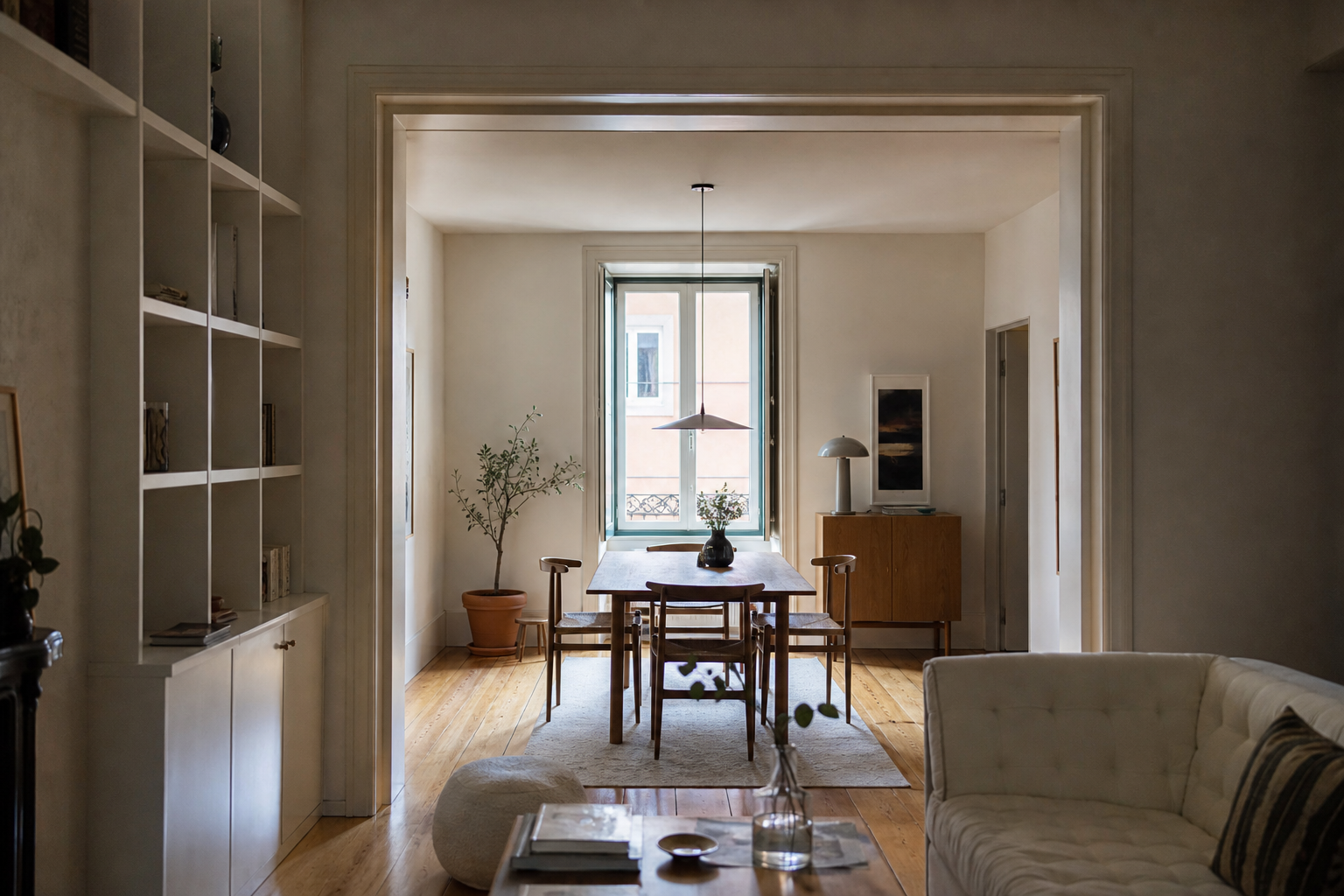
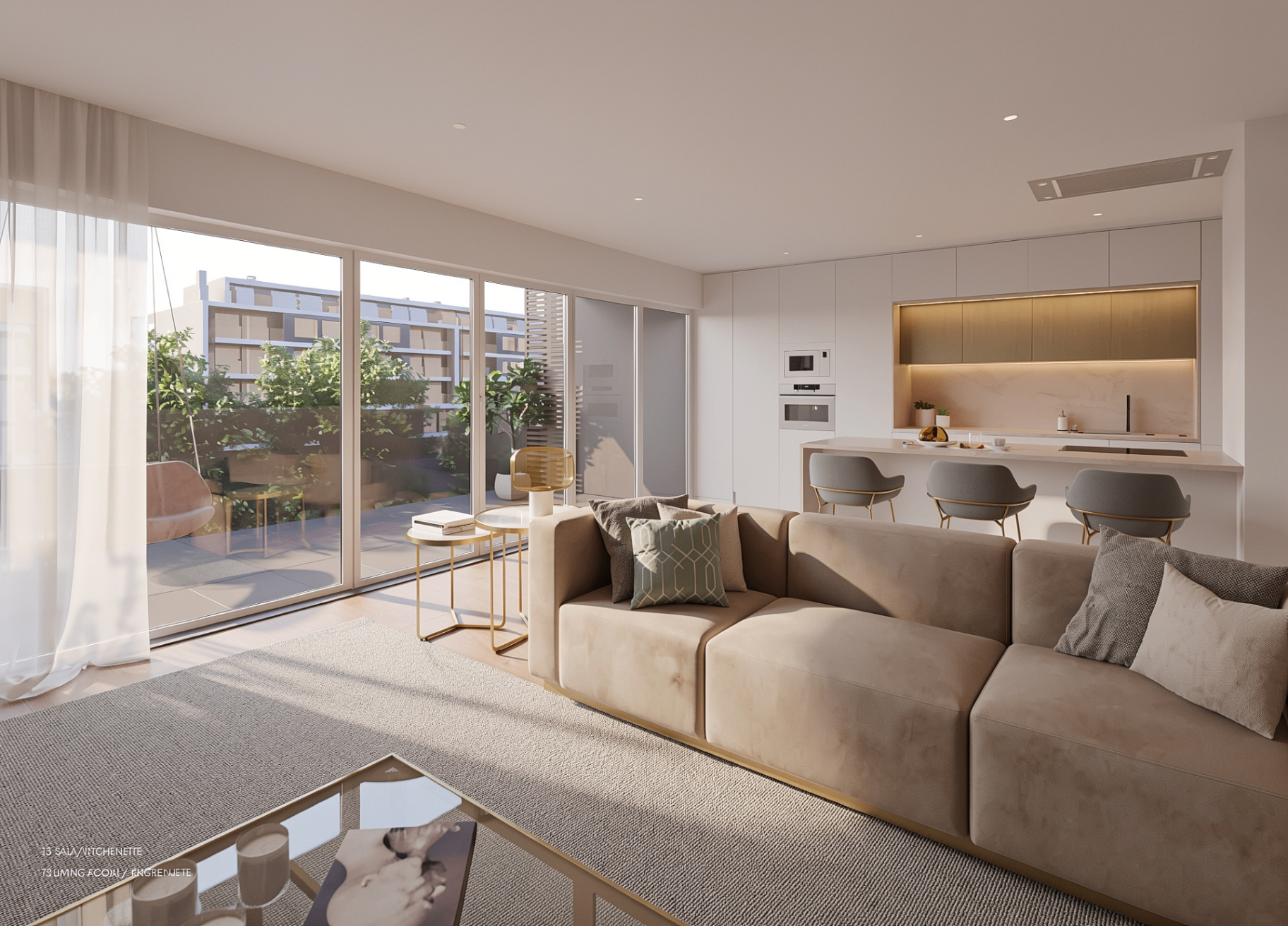
Inside the property, the viewing should test what photographs do not reveal. Natural light, ventilation, outdoor and internal noise, the operation of doors, windows and equipment, and the condition of common areas can help identify work that may be required.
Signs of water ingress, persistent odours, cracks or recent repairs deserve attention. They do not in themselves confirm a structural problem, but they may justify a technical assessment. The same principle applies to the condition of the building and to costs that may arise after purchase.
A suitable home is not necessarily the one with the greatest number of features. It is the one that establishes a sustainable relationship between budget, intended use, location and capacity to adapt.