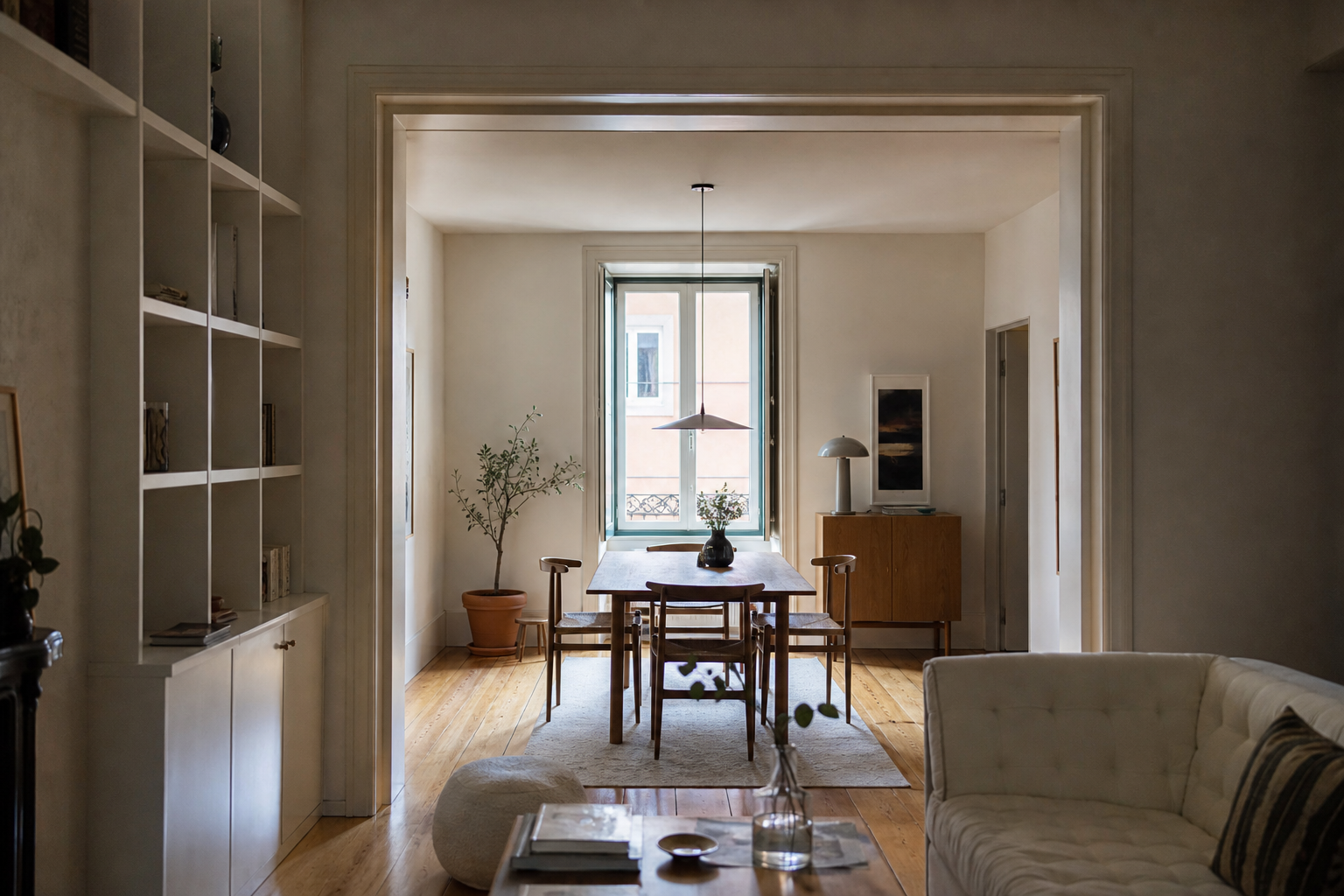
Apartment or house: the choice begins with use
The property type should respond to daily routines, the expected length of stay and the costs associated with each option.
The distinction between an apartment and a house becomes meaningful when considered alongside mobility, privacy, maintenance and future use.
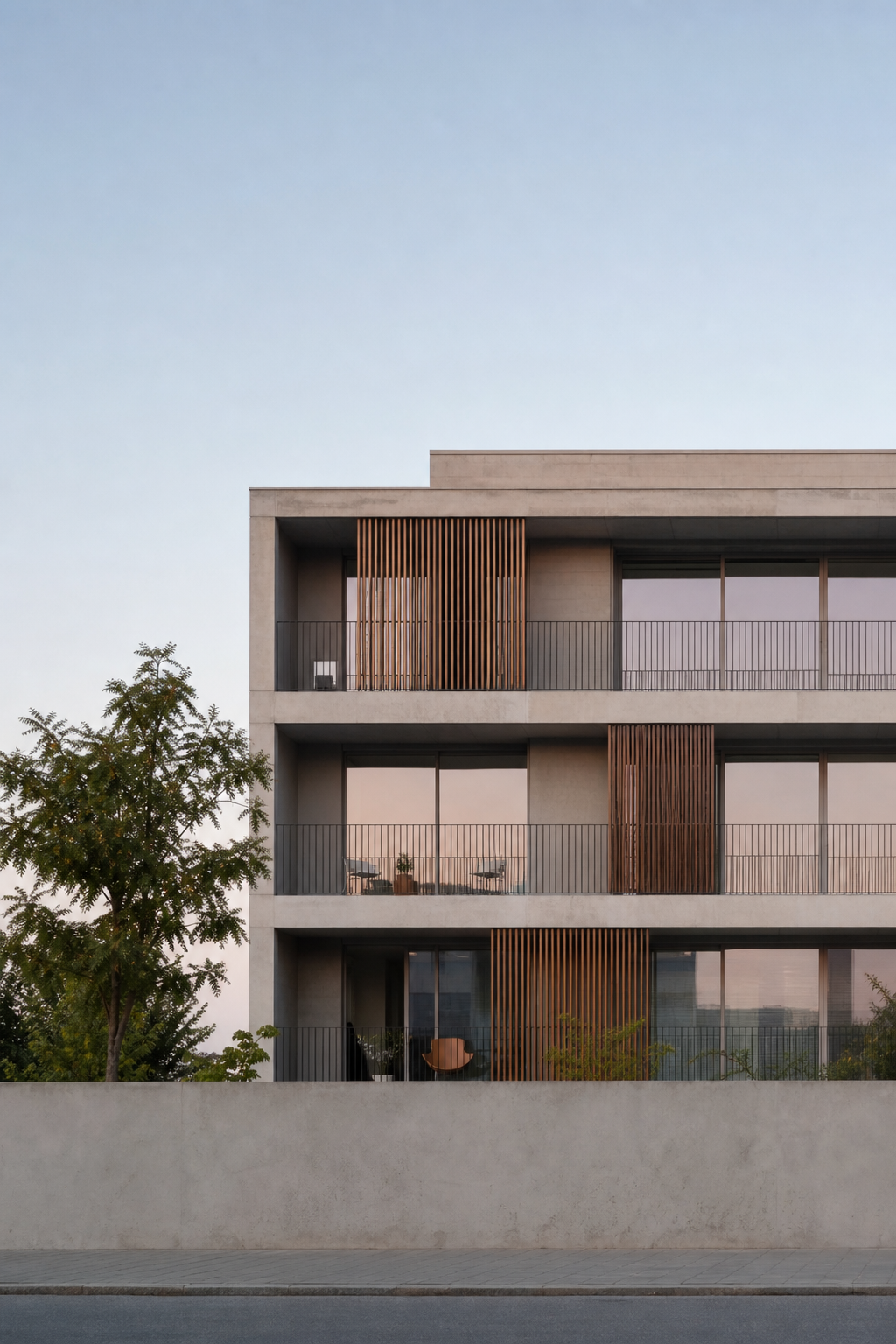
Choosing between an apartment and a house is not simply a decision about building form. It means understanding which option better suits the occupants’ daily routine and the period for which they expect to use the property.
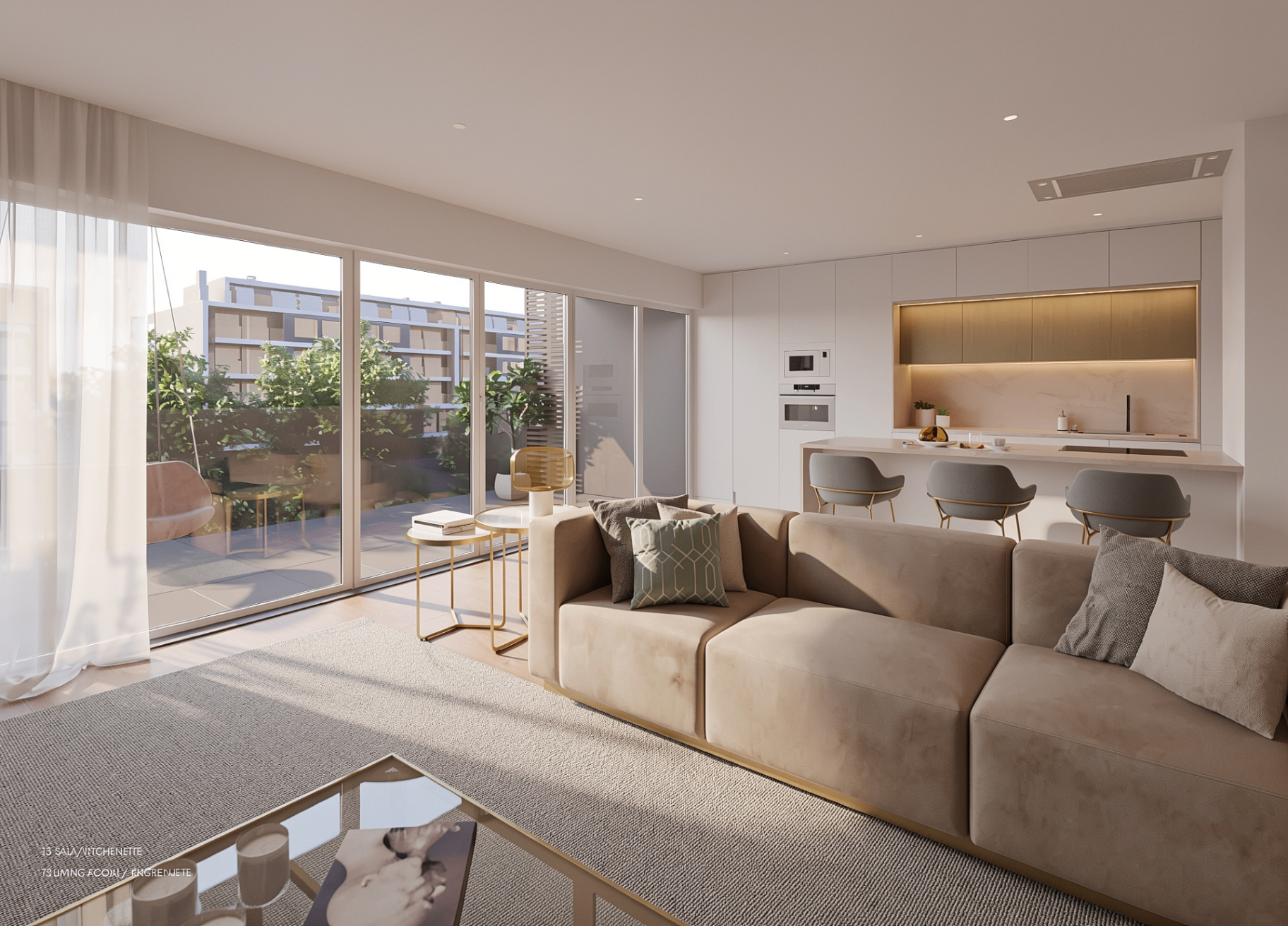
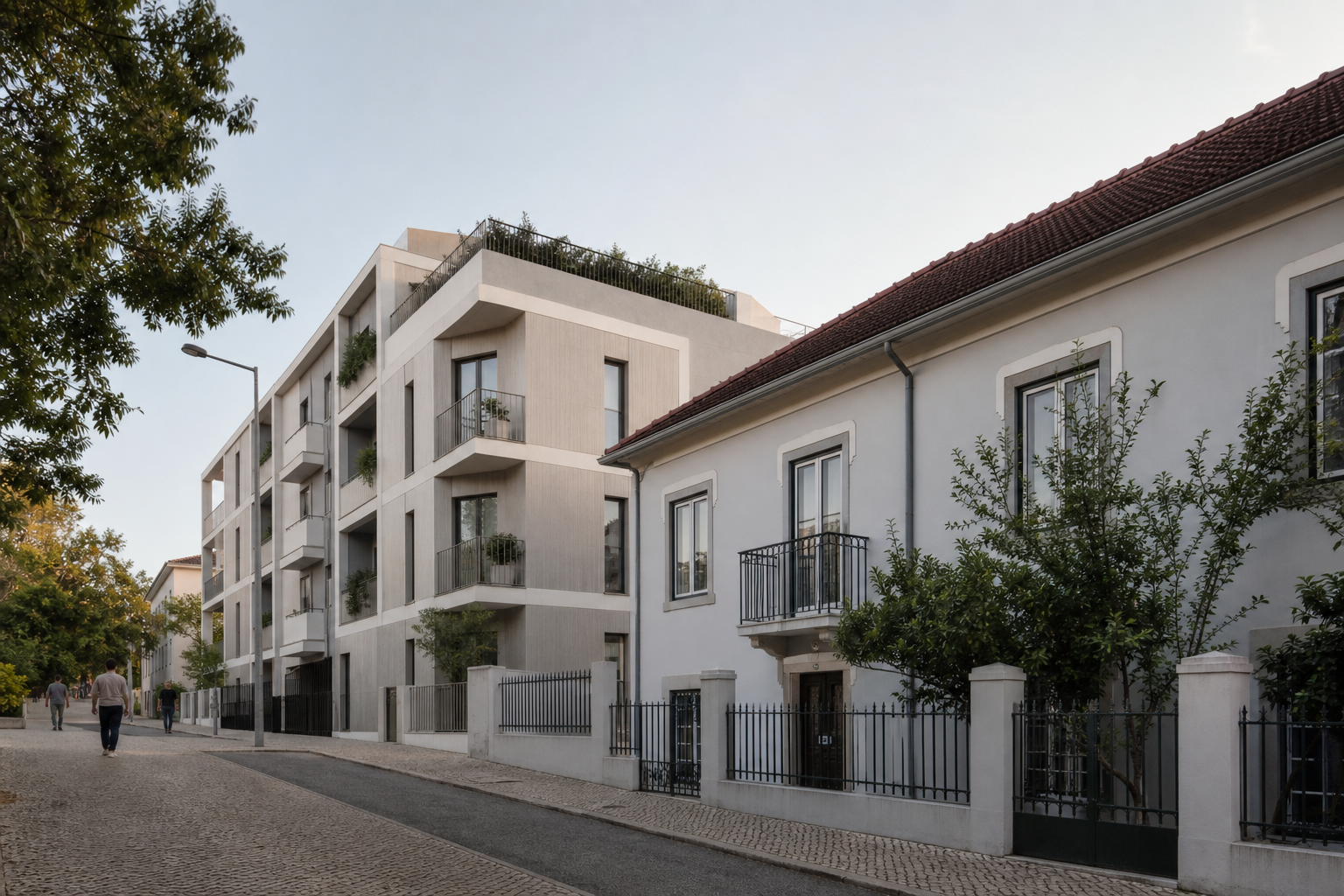
An apartment often makes it easier to live close to public transport, shops and other urban services. It may also distribute some maintenance responsibilities across the building’s common areas, although this involves shared costs and specific rules of use. The assessment should consider privacy, noise, access, the presence of a lift and the relationship between the individual unit and shared spaces.
A house may provide greater independence, outdoor space and separation from neighbouring properties. In return, maintenance of the facade, roof, outdoor areas and equipment generally falls to the owner. Distance from urban centres may also increase travel time and costs.
Intended use changes the criteria. A permanent residence requires attention to the distance from work, schools, healthcare and support networks. A second home or a property intended for rental raises other questions, including frequency of use, remote management and demand in the area.
It is also important to anticipate change. Household composition, working from home, reduced mobility or the need for family support may alter how the space is used. The appropriate property type is the one that meets present needs without creating unnecessary obstacles in the future.