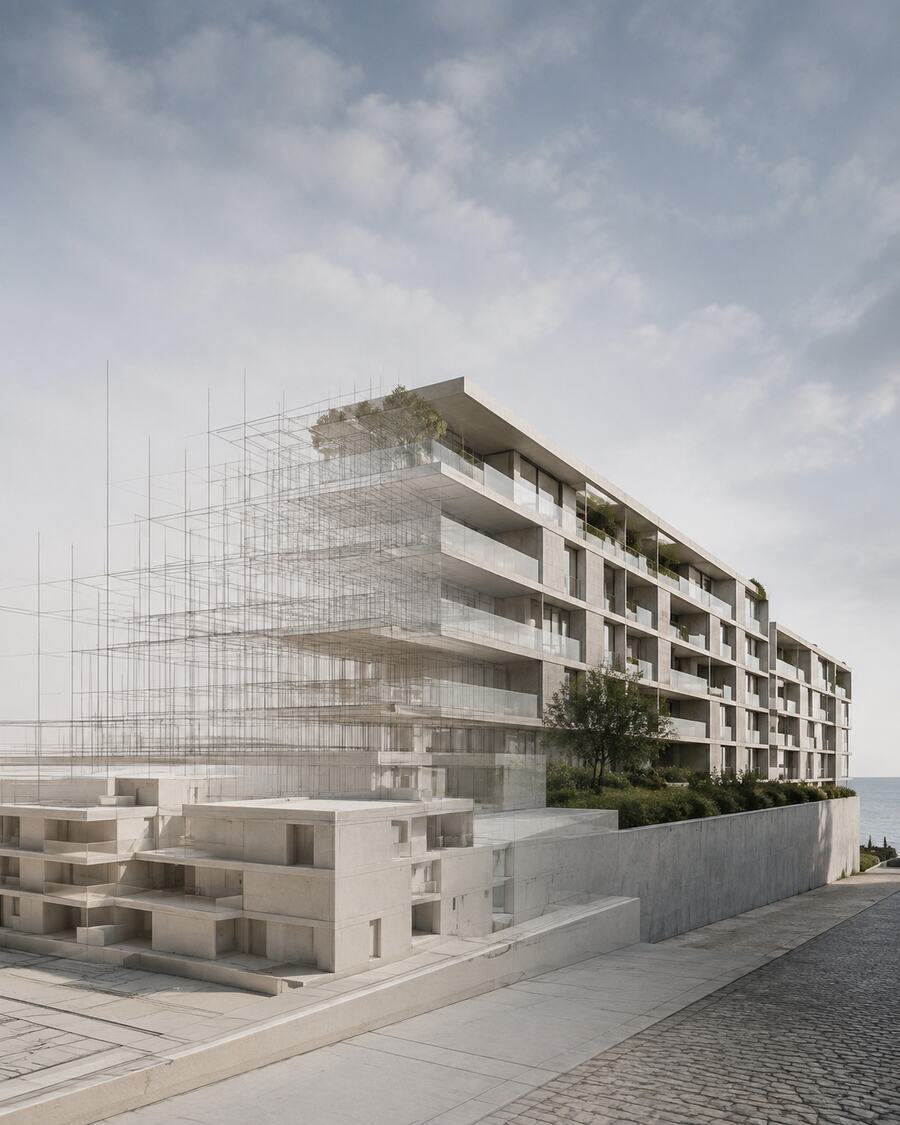
No. 02
June 2026
The value of integration
The assurance of a 360º model
Ama Grupo Imobiliário®
The value of integration
The assurance of a 360º model
Editorial Note
In the new-build property market, trust stems from clear responsibilities and effective control over every stage of the process. In this edition, MATTERS examines how integrating development, construction and sales can reduce fragmentation, improve coordination and create a more transparent relationship with the buyer.
MATTERS / Ama Grupo Imobiliário®
In this issue
01 · Article
Full responsibility and a single vision
Integration brings together information, decisions and responsibilities from the land through to handover.
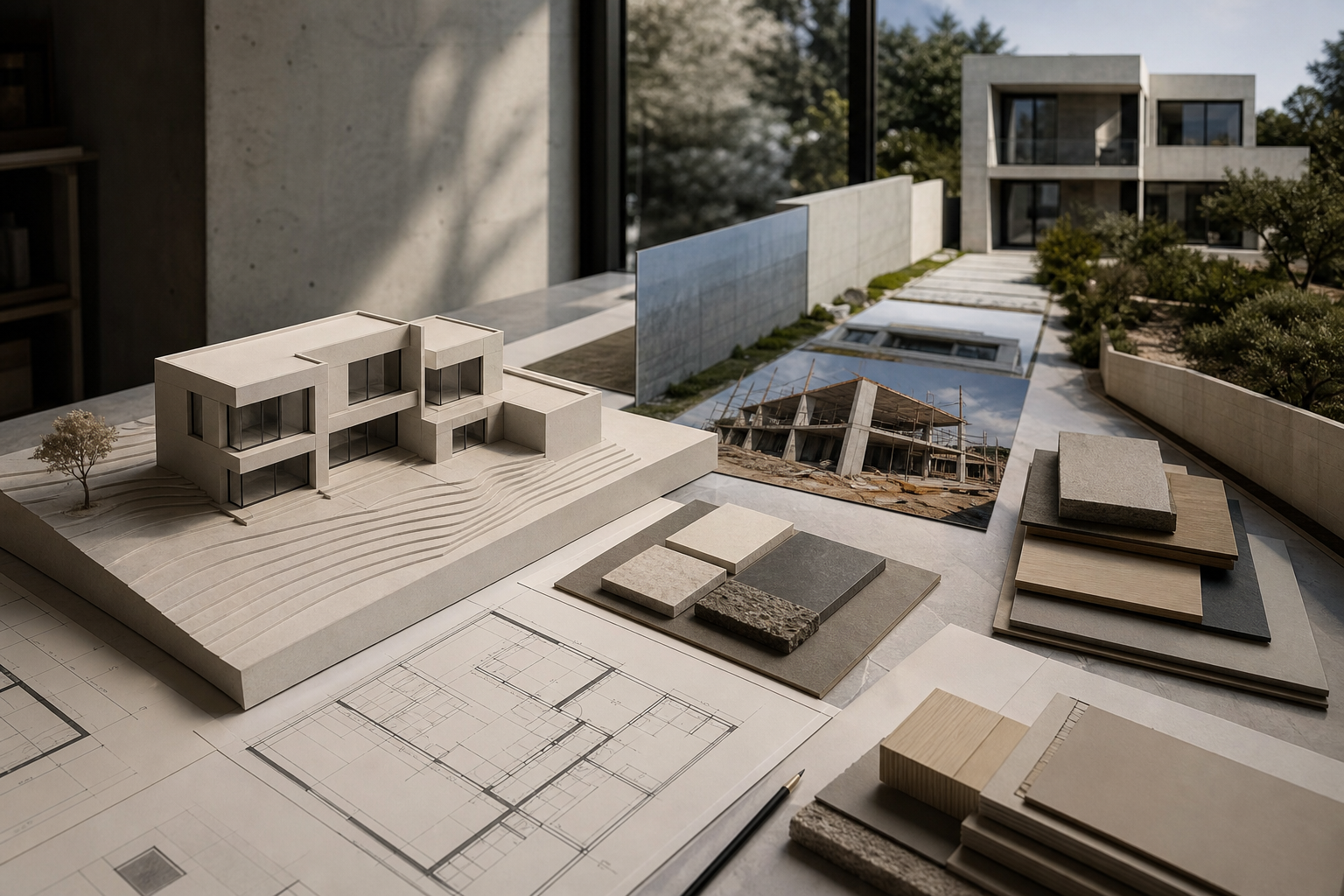
In an integrated model, a single organisation oversees the property’s life cycle, from identifying suitable land and planning through to design, licensing, financing, construction and sales. This continuity brings together information, decisions and responsibilities within the same process.
In a fragmented model, the buyer may have to deal with different entities to clarify decisions, timescales or outcomes. Integration seeks to reduce these areas of uncertainty through identifiable responsibility and a shared vision for the project.

02 · Article
The value created by integration
Coordination between development, construction and sales brings decision-making and execution closer together.
Coordination between development, construction and sales can produce tangible effects in three areas.
Coordination and agility
When the teams that plan, carry out the work and support the client work in a coordinated way, information flows with fewer interruptions. Decisions can be assessed in light of the project as a whole, avoiding isolated responses that create incompatibilities at other stages.
Quality control
In-house construction brings design and construction closer together and makes it easier to verify what has been specified. Control does not eliminate the need for inspections, testing or technical validation, but it clarifies who monitors compliance with the planned solutions.
Timescale management
An overall view makes it possible to connect design, procurement, construction and handover. Timescales remain subject to technical, administrative and market constraints, but internal coordination helps to identify dependencies and take earlier action when deviations arise.

03 · Article
A single point of contact throughout the process
Integration simplifies the relationship with the buyer without eliminating specialist expertise.
Integration can simplify the relationship with the buyer by bringing together technical, commercial and operational knowledge. The aim is not to eliminate specialists, but to ensure that the various disciplines report to common management and that the information provided to the client is consistent.
For Ama Grupo Imobiliário®, this model coordinates development, construction and commercial support. The value proposition is based on the close relationship between those who decide, those who carry out the work and those who manage the relationship with the buyer.
04 · Article
Assurance and risk mitigation
Centralisation makes it easier to identify decisions and respond to incompatibilities.
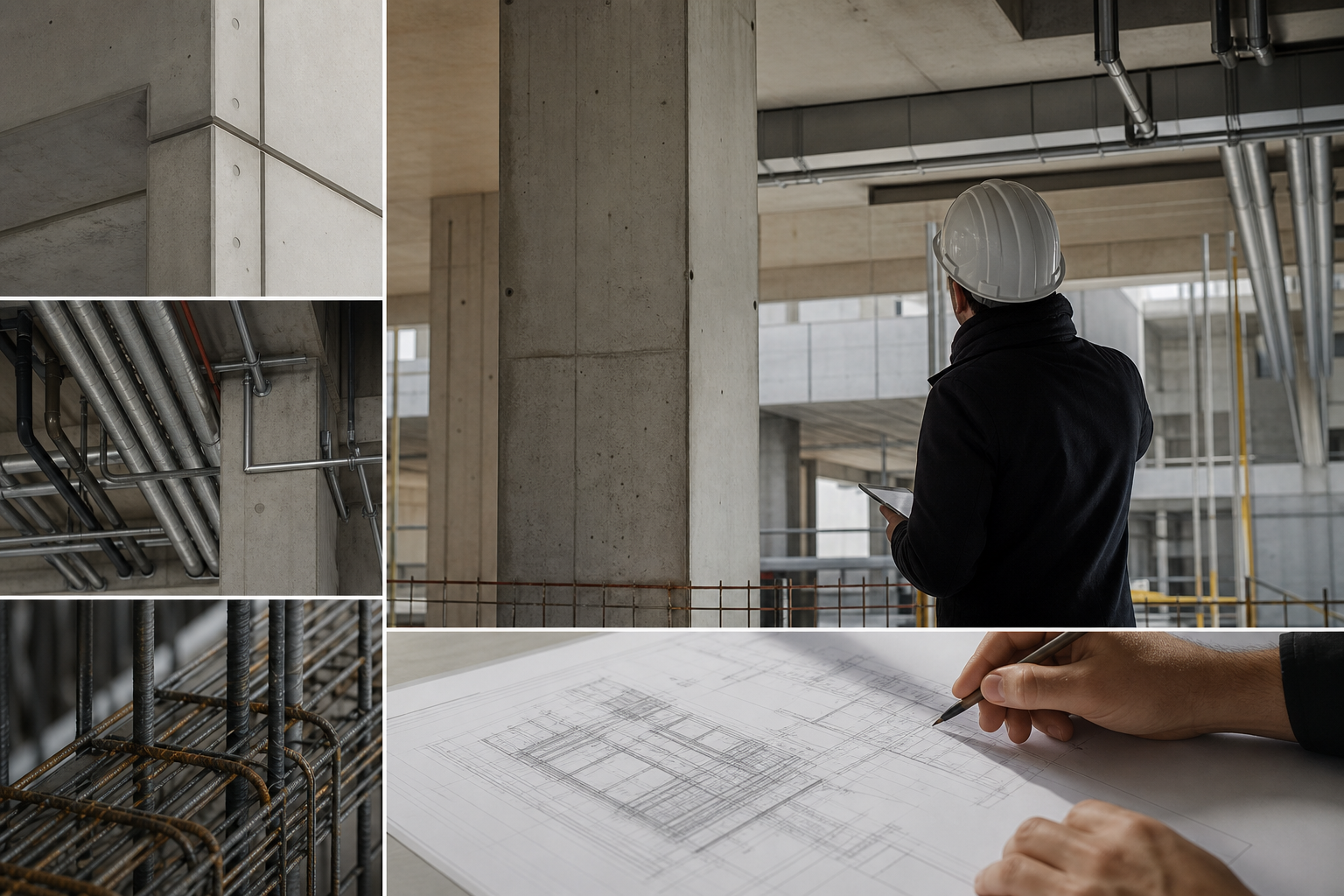
Fragmented responsibilities can make it more difficult to identify the origin of a decision or resolve an incompatibility. Centralisation improves traceability, but does not replace formal control mechanisms, statutory guarantees or the technical responsibilities of each party involved.
The value of the 360º model lies in its ability to monitor risks throughout the process: design coordination, regulatory compliance, quality of construction, communication and preparation for handover.

05 · Article
Continuity after handover
The relationship with the property continues through the clarification of queries and the handling of issues.
The relationship with the property does not end upon completion of the deed or handover of the keys. Subsequent support is important for addressing queries, assessing issues and referring responsibilities within the applicable time limits.
When the entity that develops and sells the property also understands the construction process, there is greater continuity of information. This continuity can make responses more objective and preserve the technical knowledge accumulated about the building.